 Snorkel Coiba
Worried about getting seasick on the way to Coiba?
An hour of open Pacific each way — what actually works against it, and where to sit.
Everything you need to plan an unforgettable trip to Coiba National Park — the history, the seasons, the wildlife, and the practical know-how to get you here.
 Plan your trip
An hour of open Pacific each way — what actually works against it, and where to sit.
 Plan your trip
Fewer boats, whales from July, and reefs you'll often have to yourself — rain included.
 Plan your trip
One day in the park, one surf lesson, one day with nothing scheduled — and why that order matters.
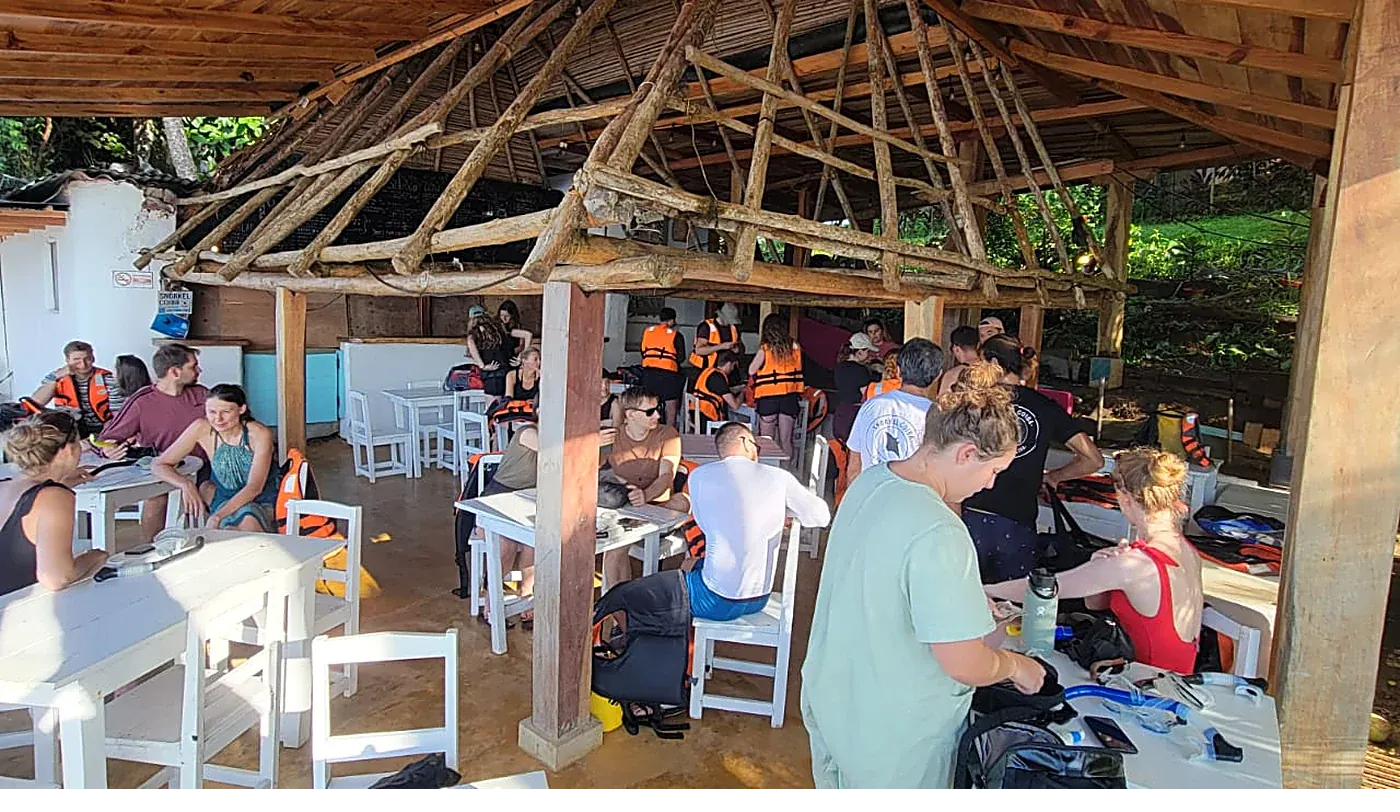
Coiba insiderTables, chairs and shade on the sand — and on clear mornings Coiba is out there on the horizon.
Not a tunnel: a chain of underwater mountains sharks and turtles migrate along. Discoveries from 2024-2025.
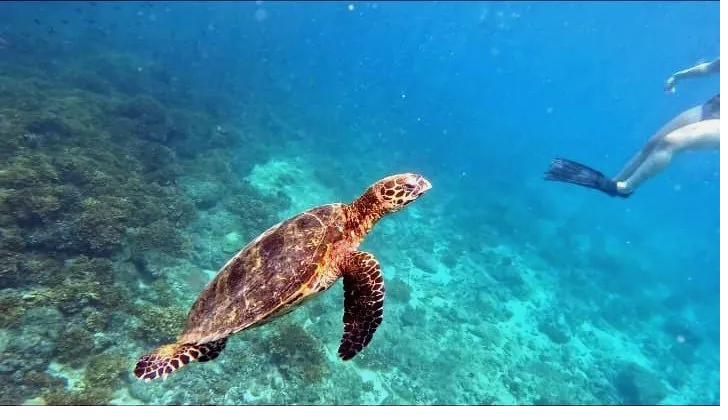
Why Coiba feels like the Galápagos: they share the same volcanic hotspot. The real science, explained simply.
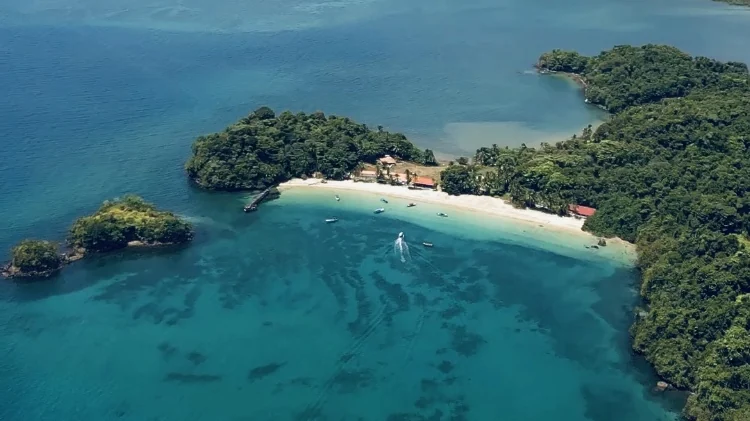
What Coiba is, its prison-to-paradise history, the wildlife, real costs and how to visit — the master guide.
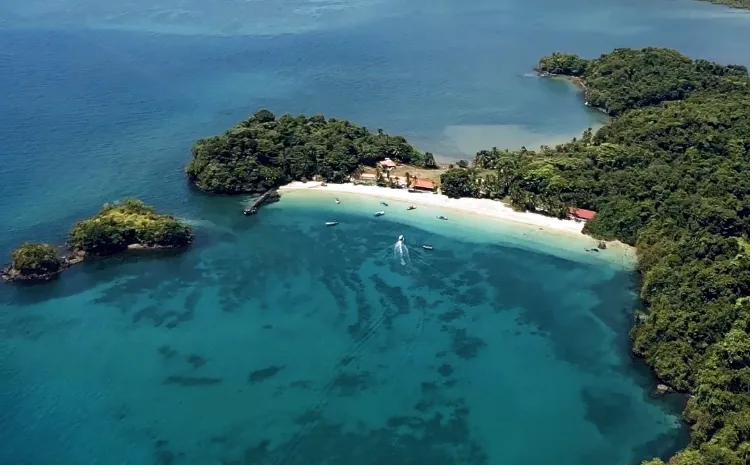
A full day with snorkeling, a local guide, gear and lunch from $70 — the complete guide to booking direct.
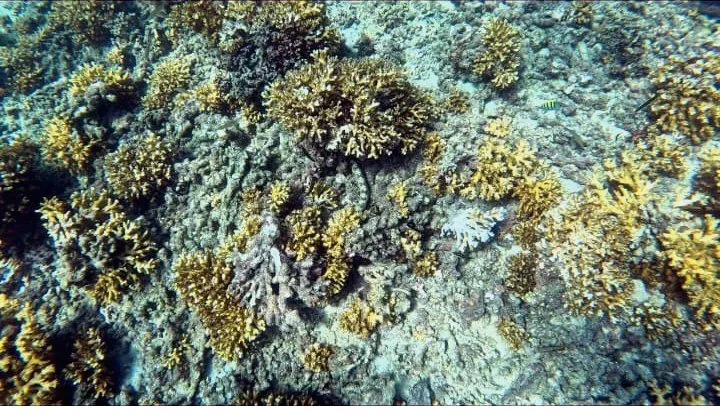
From booking the wrong day to forgetting cash for the park fee — the slip-ups we see most, and how to avoid them.
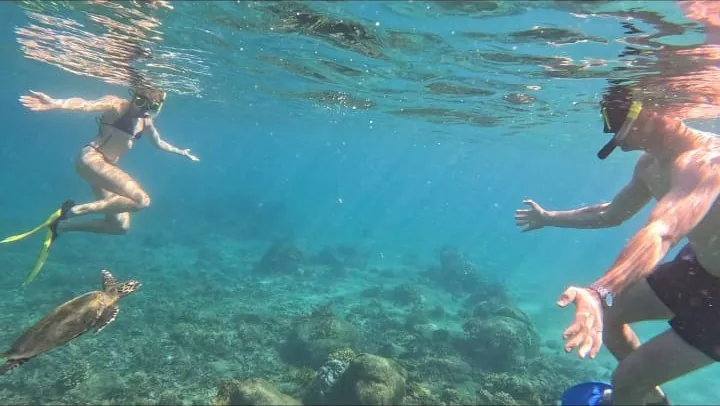
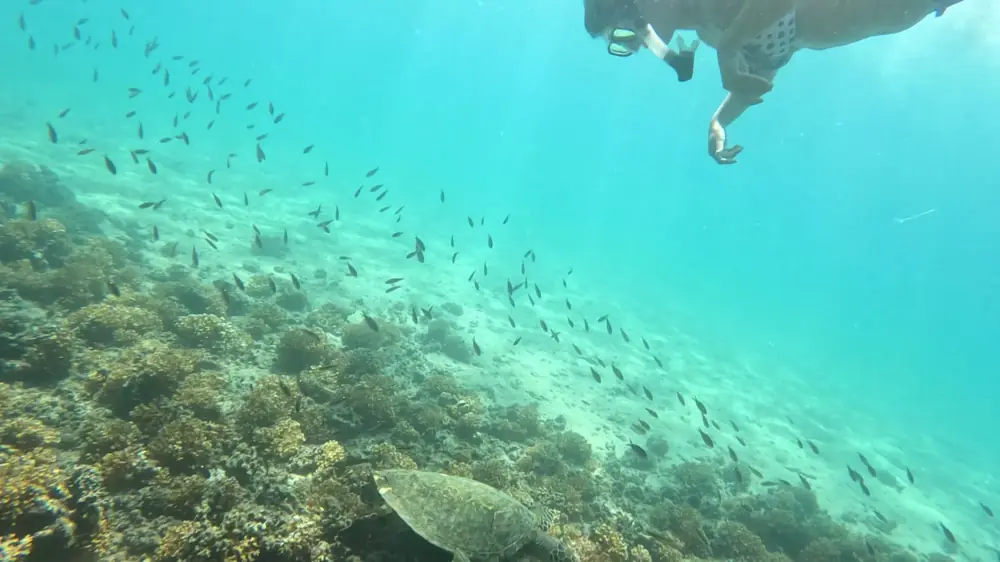
Turtles, reef sharks, dolphins, rays, whales and scarlet macaws — a lifetime of wildlife in a single day.
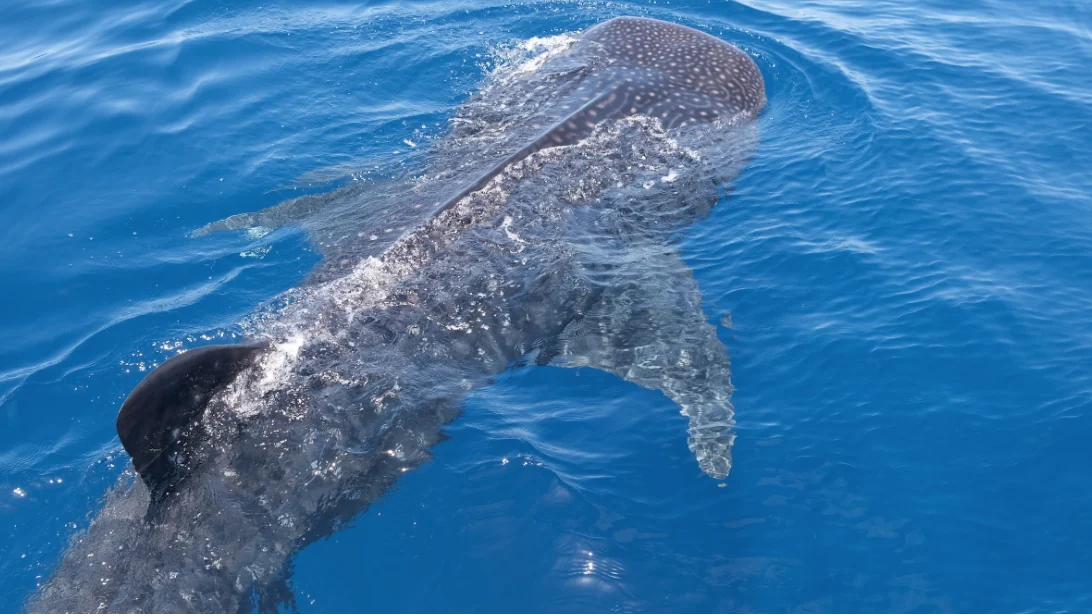
The ocean's biggest fish visits Coiba every year. When the season peaks and what an encounter is like.
From the 8:00 am meeting point to the golden ride home — the full timeline of a day in the park.
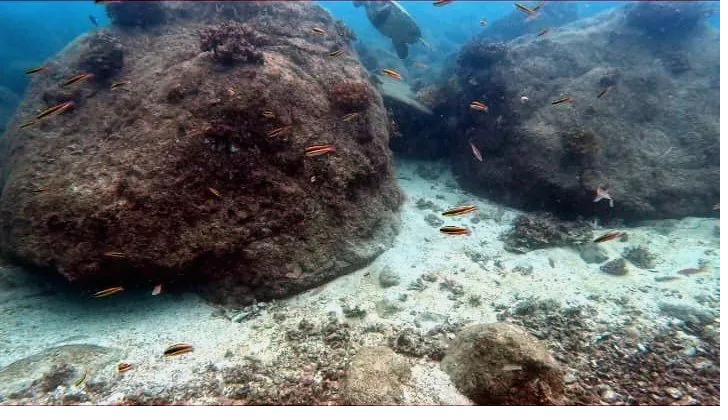
The verified facts behind the June 2026 headlines, the UNESCO debate, and why our tours continue unchanged.
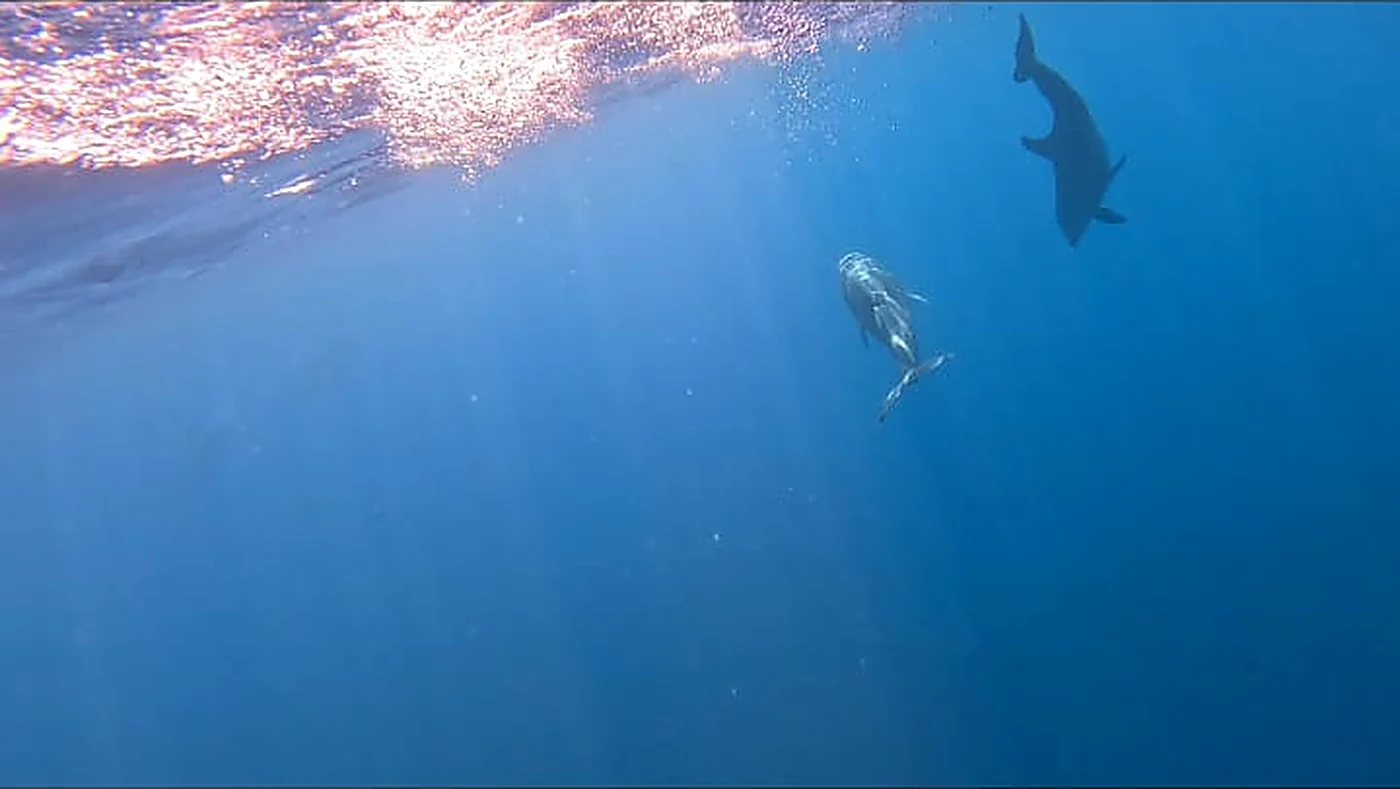
A reef shark, an eagle ray, a rare surgeonfish and dolphins — four straight-from-the-GoPro moments from late June 2026.
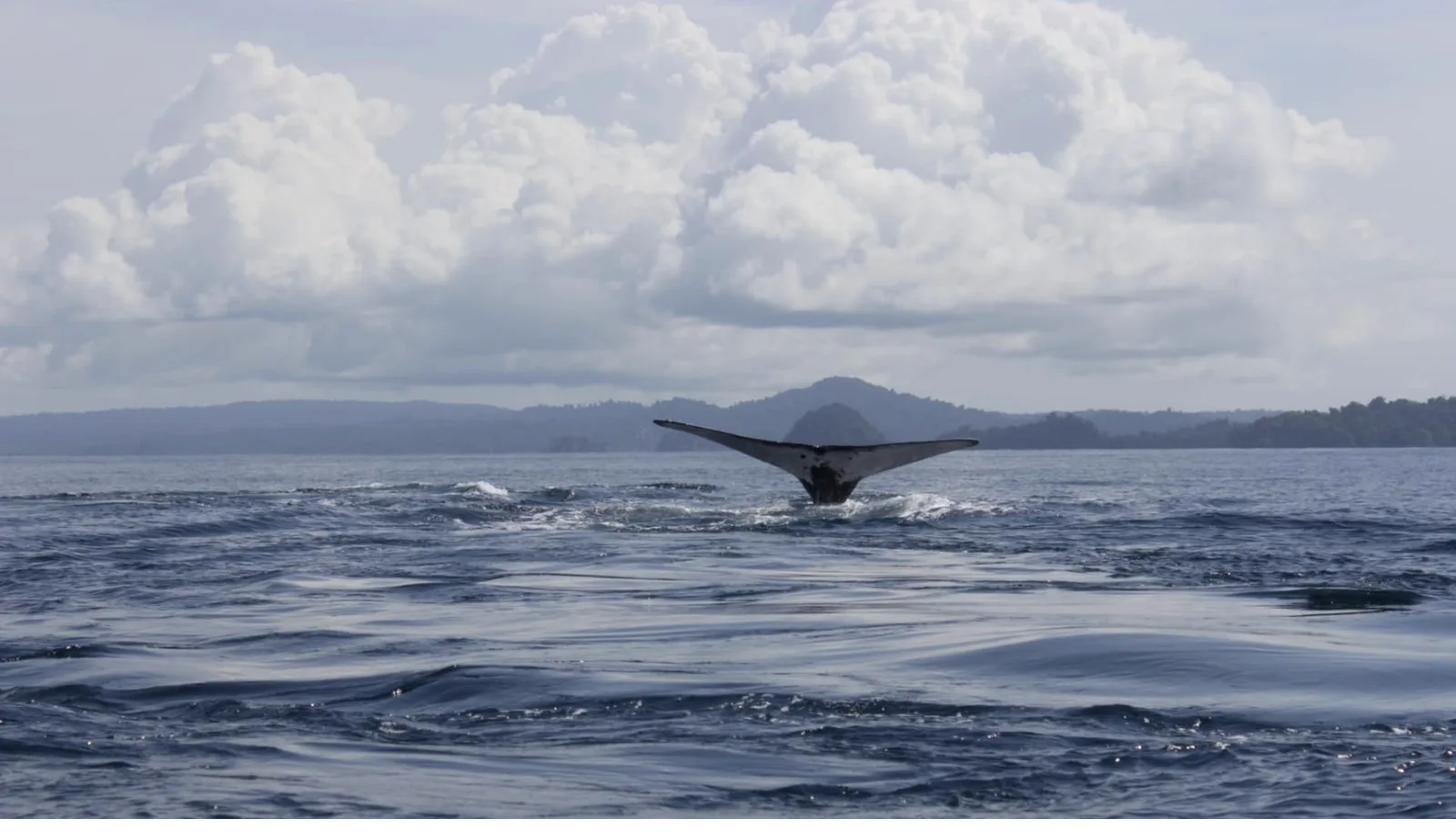
Panama is one of only two places on Earth with humpbacks from both hemispheres. Where they pass and the two seasons.
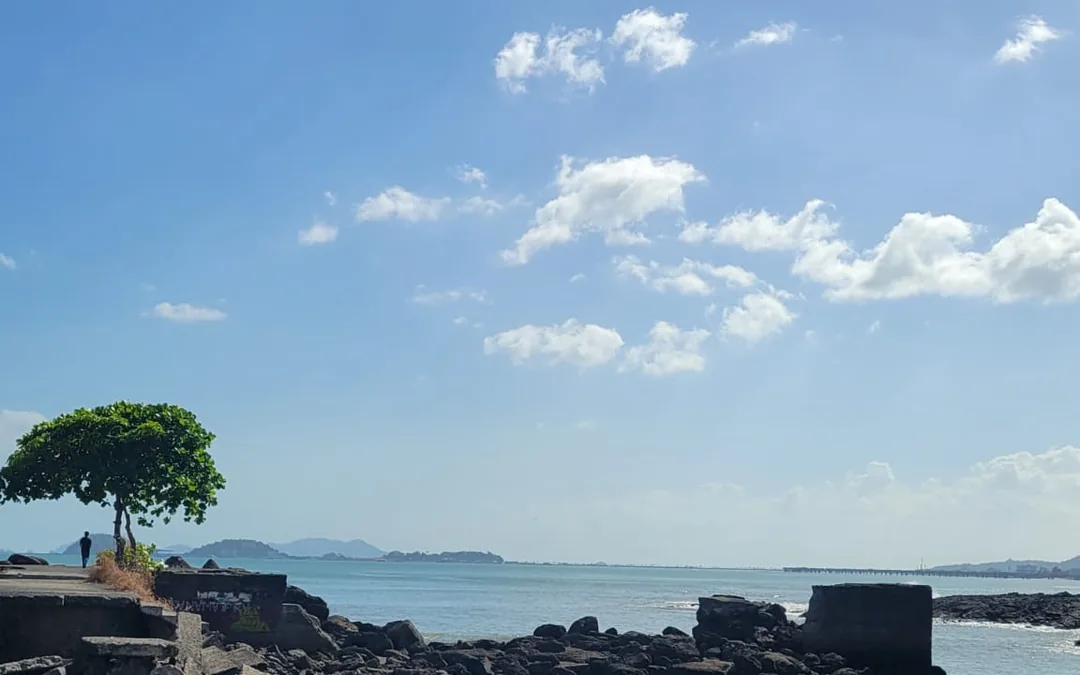
Flights, shuttles and buses to reach Santa Catalina — plus the direct service we recommend.
Coiba insiderEveryone comes back with 200 blue, blurry frames and three good ones. Here's how to flip that ratio.
Marine lifeWhales July–October, clearest water December–April, turtles all year. Pick your dates around what you want to see.
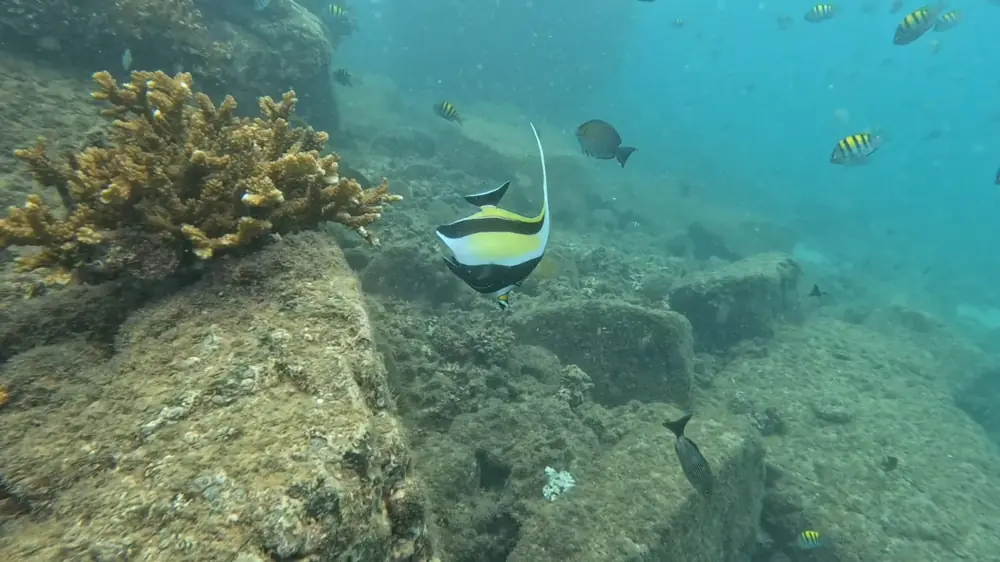 Science in Coiba
UNESCO says these corals are a refuge and a source of replenishment for other islands — including the Galápagos.
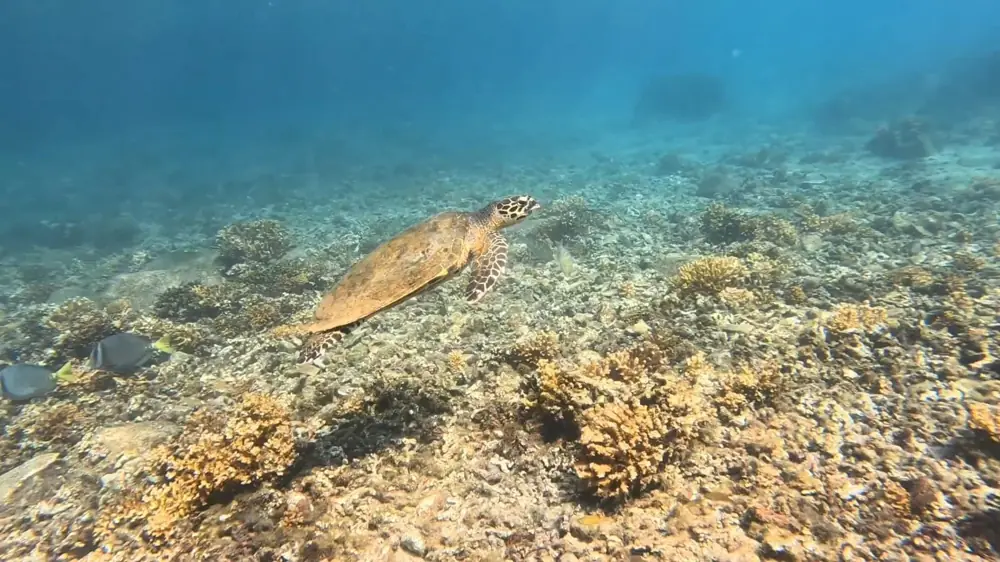 Panama travel
Crime, tap water, the sea, solo travel and scams — an honest answer from people who live here.
 Science in Coiba
Capuchins on one island in the park lift stones half their body weight — the only place on Earth where their genus does it.
 Panama travel
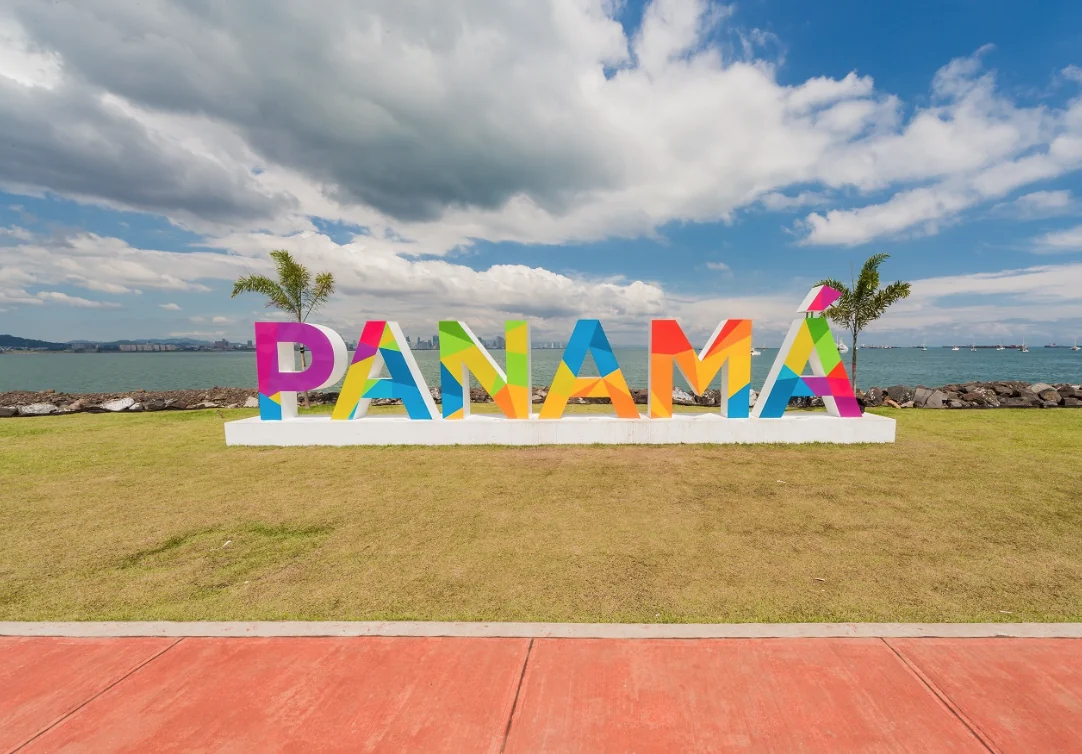
Skyline, Caribbean stilt villages, cloud-forest waterfalls and a UNESCO marine park — and how to combine them.
Marine lifeHumpbacks swim 8,000 km from Antarctica — and others come south from California — to the same Panamanian water, six months apart.
 Coiba insider
We sell these tours — and here's the full answer, including who this day suits best.
Coiba insiderThe deposit, payment methods and the weather policy — everything before you message us.
Coiba insiderThe boat ride, the cash, the closed islet, the harmless sharks — honest answers from the team on the boats.
 Panama travel
Wildlife, castaway culture or surf-town nightlife — how to pick your Panama islands, and when Coiba is (not) the answer.
Panama travelCanadian arrivals grew almost 49% in early 2026 — the fastest of any market. What’s pulling them south, and how to plan it.
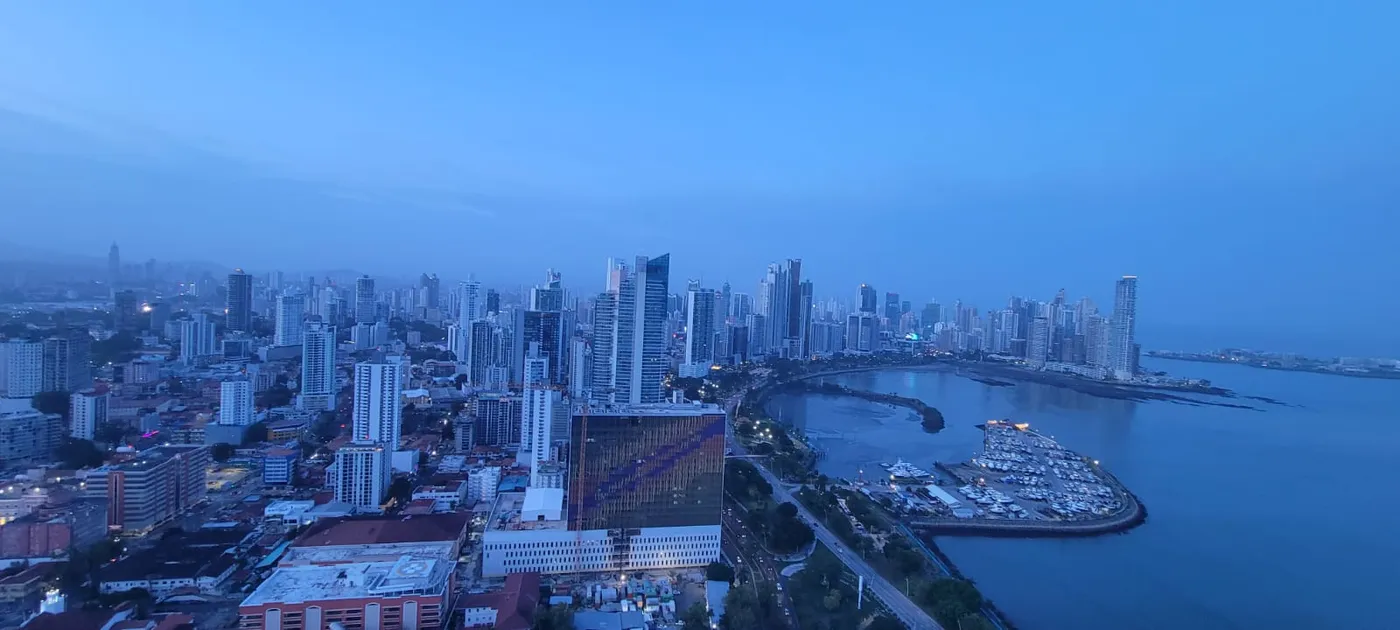 Panama travel
Copa lets you pause in Panama up to 7 days at no extra airfare — usage is up 37%. How it works, and the 5-day plan we’d build.
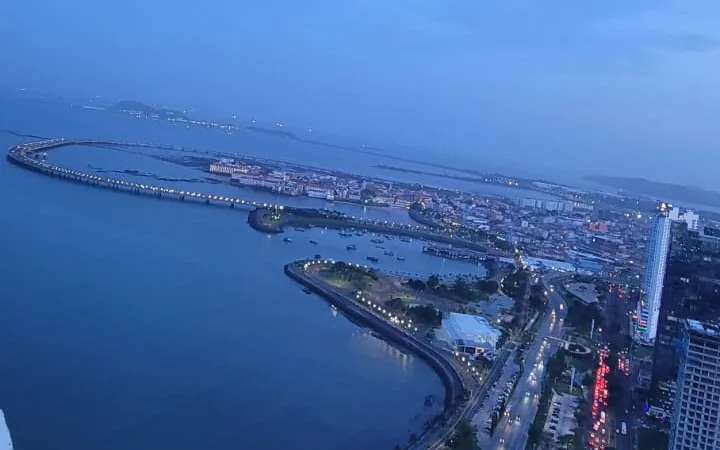 Panama travel
It's not just the Canal. Two oceans, zero hurricanes, whales, spring-weather mountains and a modern capital — all in a country you can cross in hours.
Our toursThere are several operators in Santa Catalina and several are good. Here, honestly, is what we do differently — so you can compare with real criteria.
Living in PanamaWe see it every season on our boats: guests arrive for a beach week and leave asking what it costs to stay. Here are the real reasons — no hype.
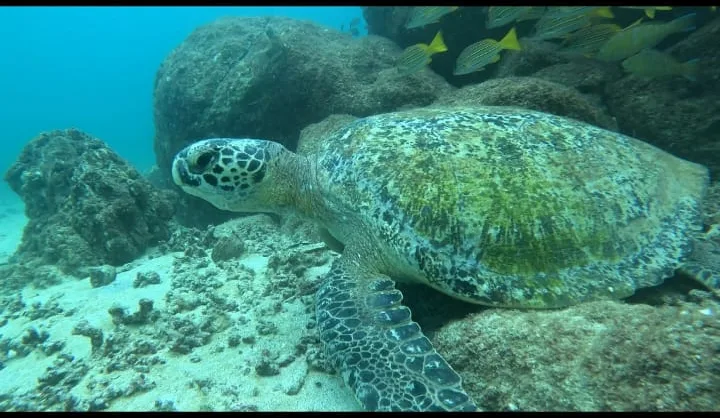 Practical tips
It's one of the questions we get most on WhatsApp, often asked with embarrassment. Short answer: yes, you can. Every week we take non-swimmers to the park and they come back happy.
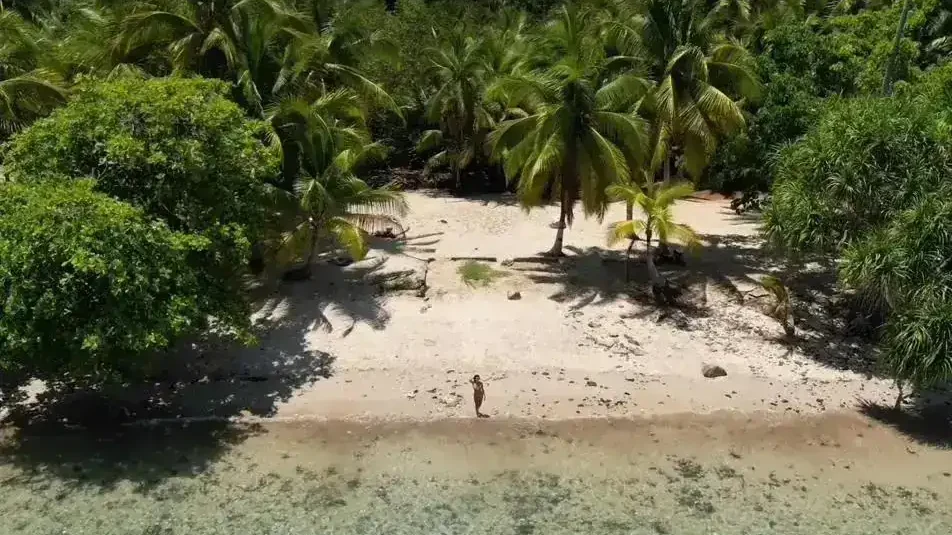 Park destinations
After three snorkel stops, the day needs an ending. Ours is a light-sand beach with calm water that many call the park's best-kept secret.
 Weather & seasons
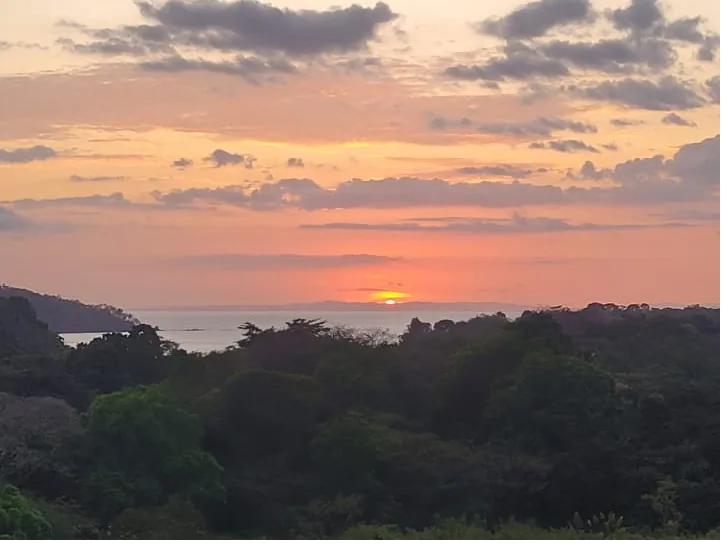
In Panama we call winter the rainy season — and yes, there are storms. But most tours run anyway. Here's how Coiba's weather really works, with real data.
Weather & seasonsIt's one of the questions we get most from Caribbean and Florida travelers. Short answer: no. And the reason is pure geography — here it is, with real data.
Good to knowGroup tours from $70, private boats from $550, a $20 park fee and a $30 GoPro — every cost of a Coiba day trip explained, with no surprises.
 Park news
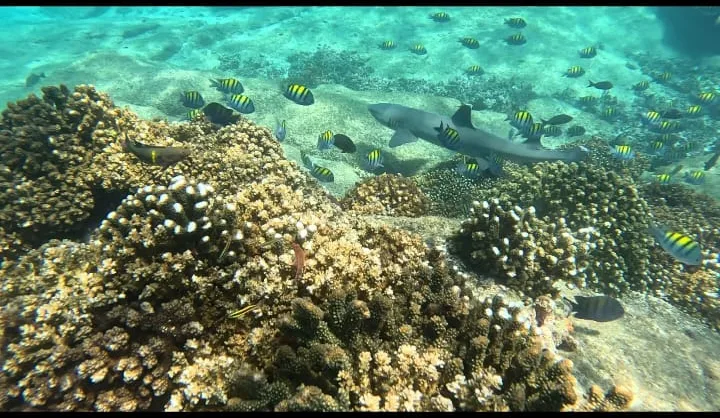
Coiba's postcard islet is under a full closure ordered by Panama's environment authorities so its damaged reefs can recover. Here's the honest story — and why your snorkeling day in Coiba is still spectacular.
 Travel guide
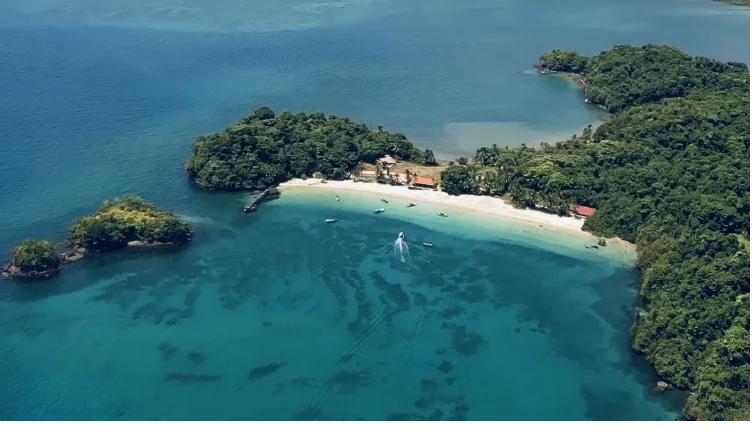
Central America's best-kept surf secret: a powerful point break, warm water and no crowds — plus what to do when the surf goes flat.
Travel guideBy bus, car or shuttle — travel times, costs and tips for reaching the gateway to Coiba National Park.
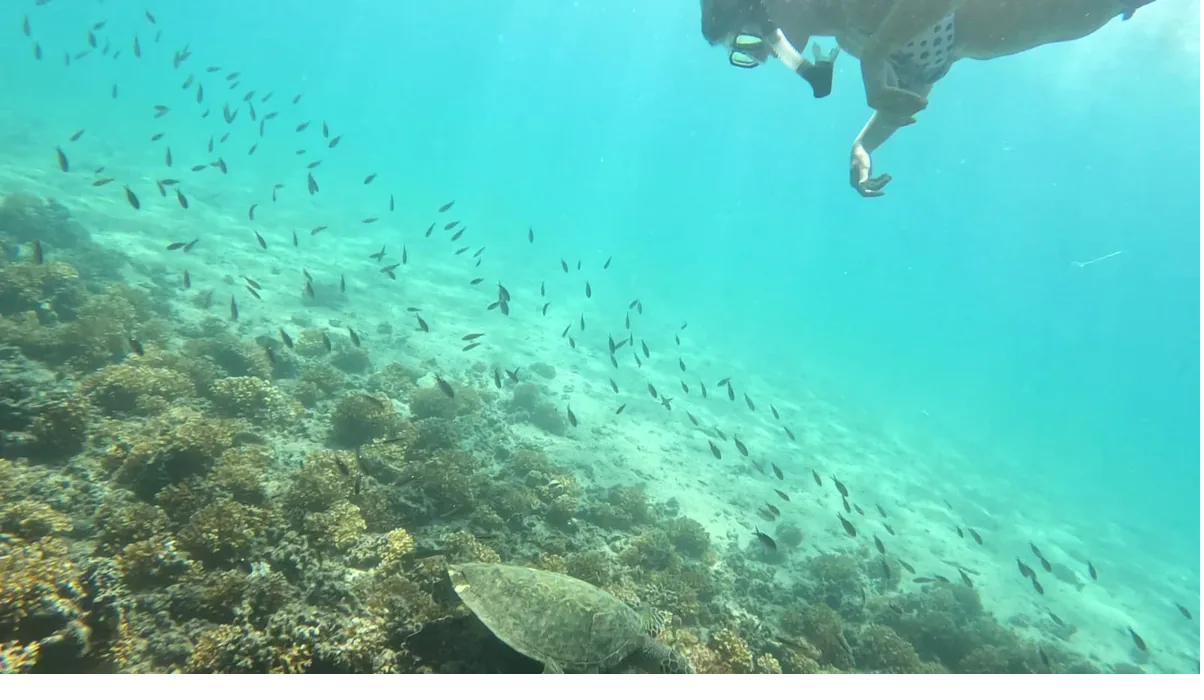
WildlifeDrift beside wild green and hawksbill turtles in crystal water — where to find them, the best months, and how to book from Santa Catalina.
 Wildlife
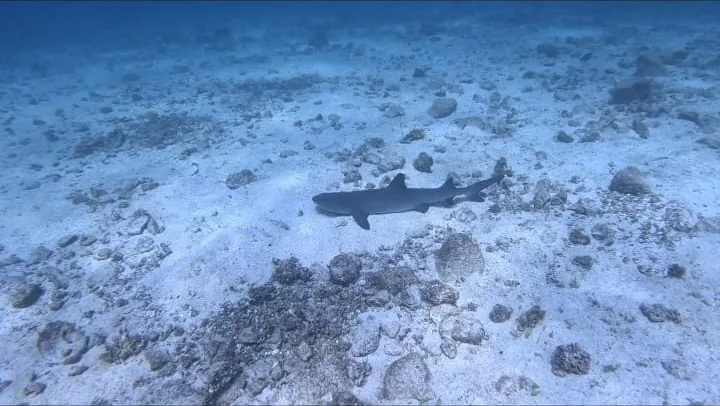
They sound terrifying — they're not. Meet Coiba's harmless white-tip reef sharks, one of the most thrilling and safe encounters in Panama.
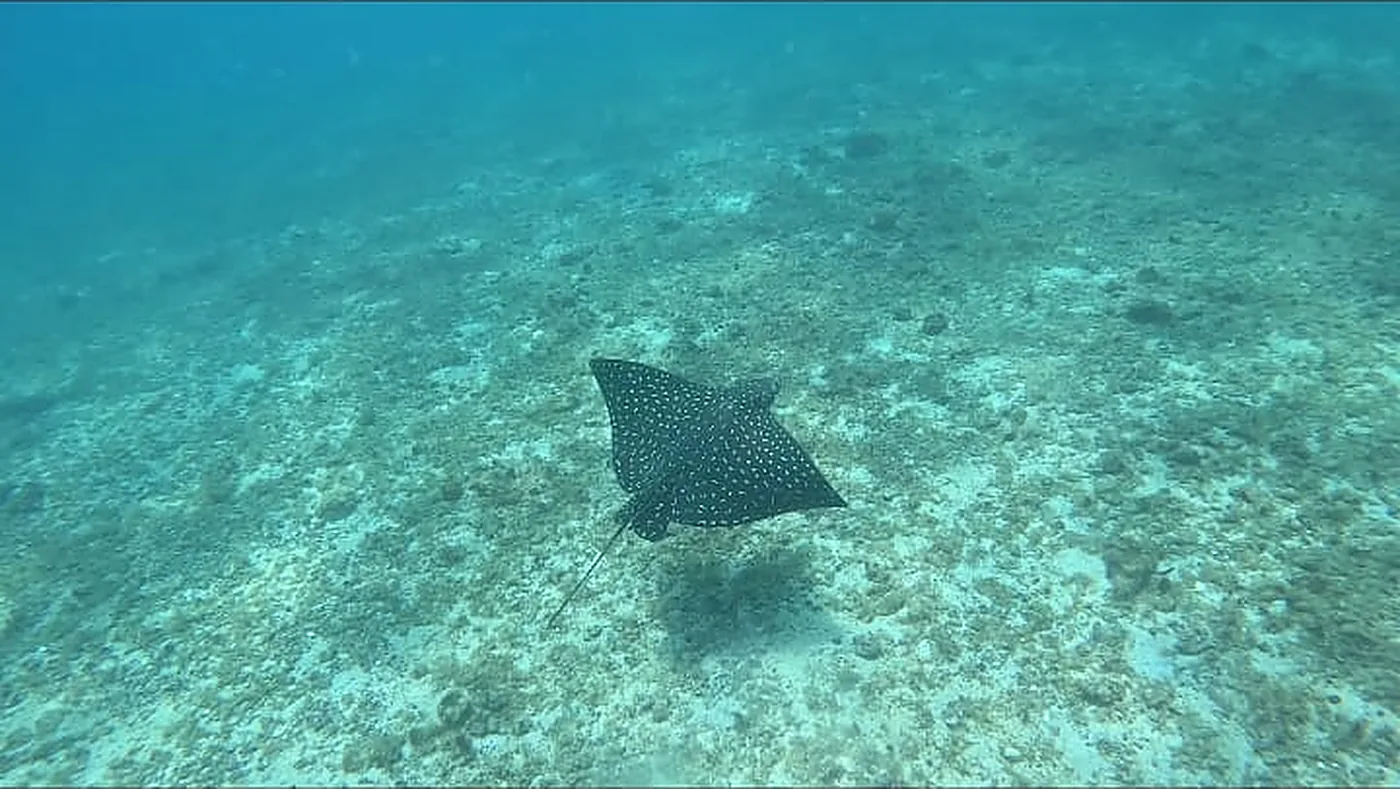 Wildlife
Spotted eagle rays, mantas and stingrays glide across Coiba's reefs — where and when to see them while snorkeling, no scuba required.
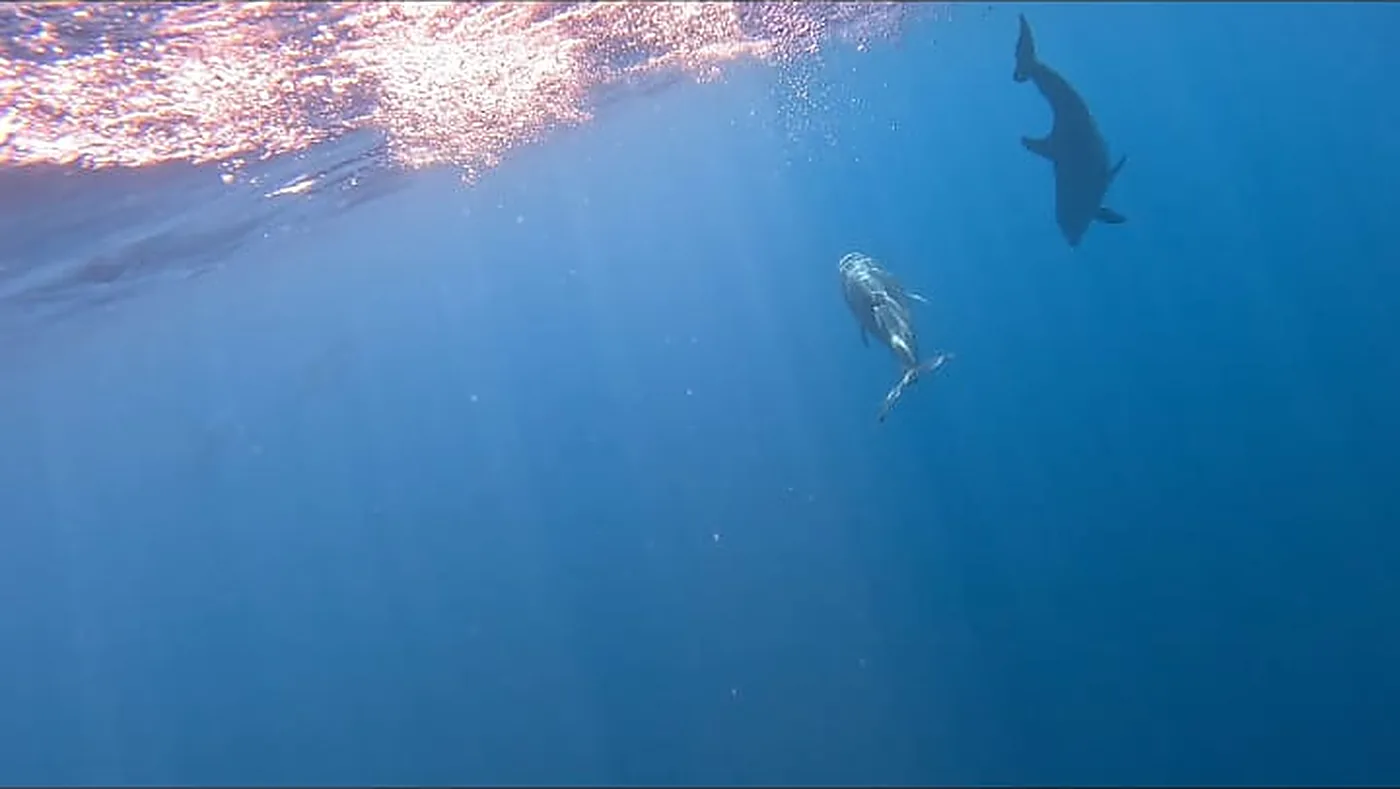 Wildlife
Wild bottlenose and spotted dolphins ride the bow on the crossing to Coiba — which dolphins live here, when you'll see them, and why wild beats captive.
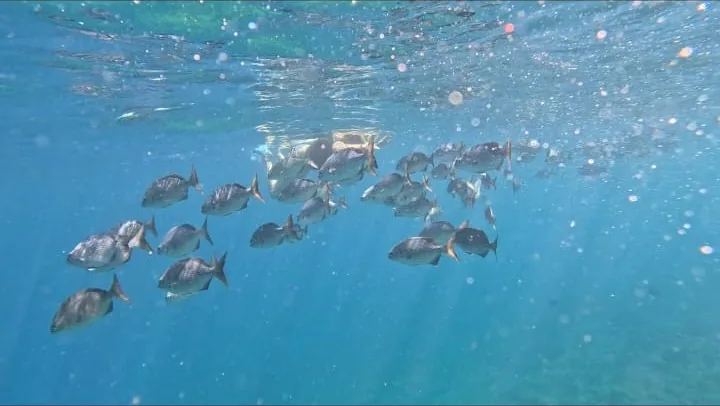 Travel guide
From San Blas and Bocas del Toro to the world-class reefs of Coiba — the best places to snorkel in Panama, and why Coiba tops the list.
City guideA complete 2026 guide to the canal, Casco Viejo, the waterfront and the modern city — and how to pair it with snorkeling in Coiba.
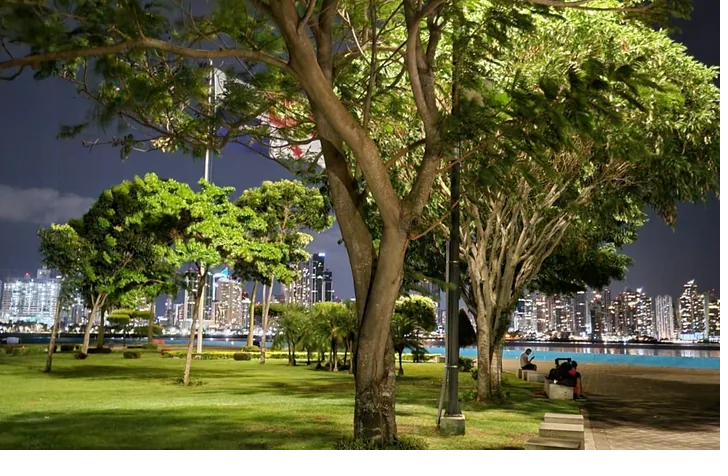 Itinerary
A day-by-day week combining the capital, the Pacific coast and snorkeling in Coiba National Park — with travel times and tips.
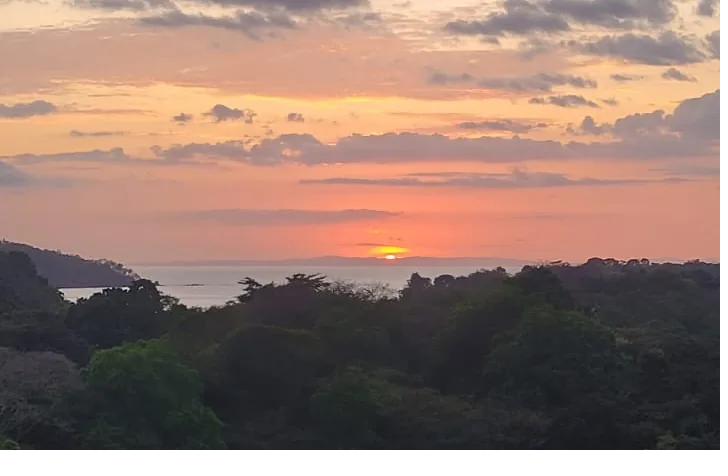 Inspiration
From Santa Catalina's Pacific horizon to Panama City's glowing skyline — the best places to catch golden hour, plus photo tips.
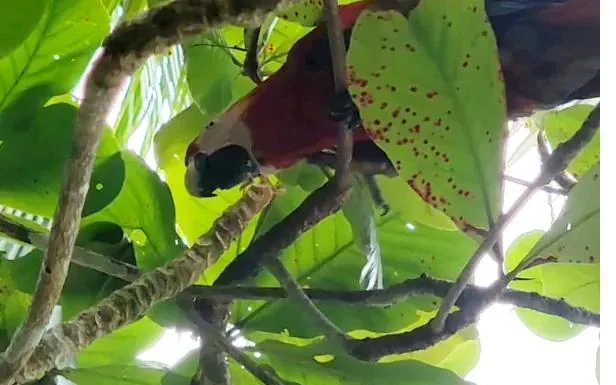 Nature & wildlife
From cloud-forest quetzals to whale sharks in the Pacific — why Panama is one of the most biodiverse countries on Earth, and where to see it.
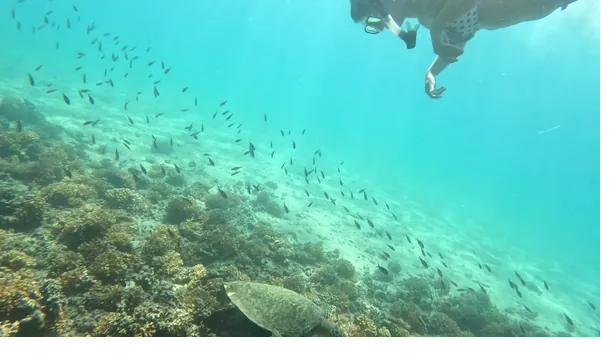 Beaches & coast
Two coastlines, hundreds of beaches — Caribbean islands, Pacific surf, and where to find the clearest water for snorkeling.
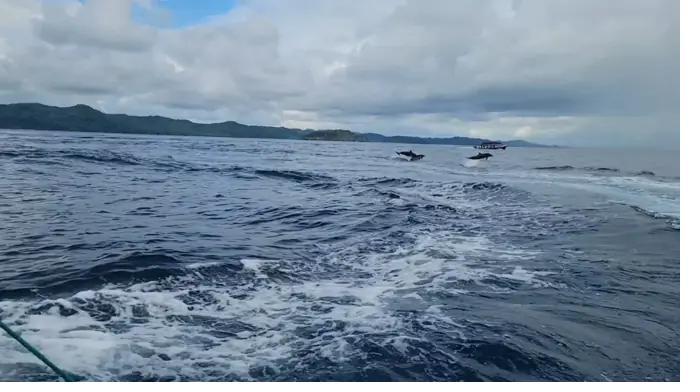 Travel guide
The canal, Caribbean islands, highland coffee country and Pacific surf — the best places to visit, and how a day in Coiba fits any itinerary.
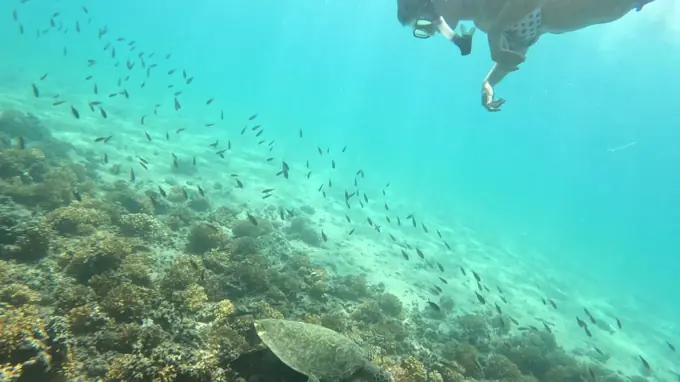 Tips
TipsCost, training, depth and what you'll actually see — an honest comparison to help you pick, and why Coiba is perfect for beginners.
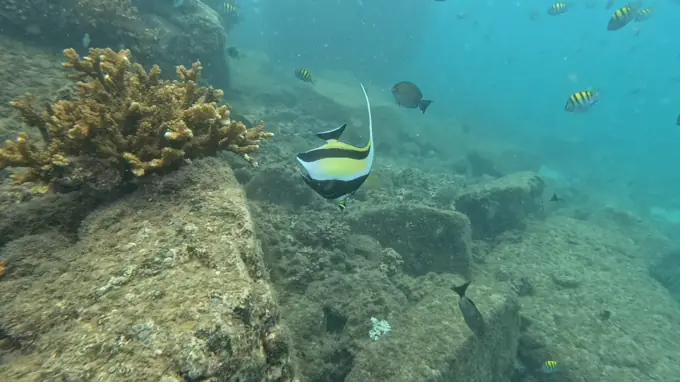 Travel guide
The complete local guide to Panama's surf-and-snorkel village — what to do, when to go, and how to make the most of the gateway to Coiba.
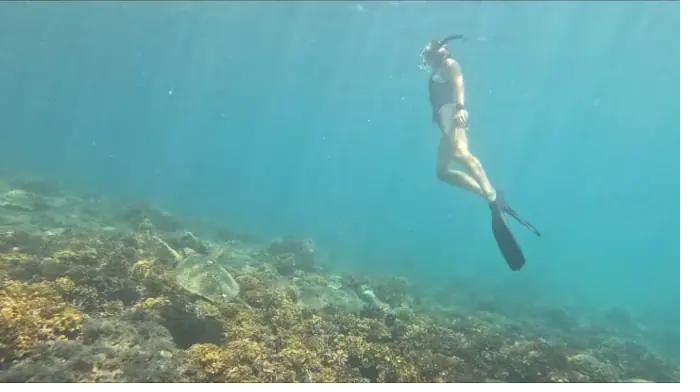 Tips
TipsNo experience and no swimming skills required. Life vests, in-water guides and warm, calm water — exactly what to expect on your first snorkel.
 Wildlife
147+ species, 20 birds found nowhere else on Earth, and one of the last wild scarlet macaw populations in Central America.
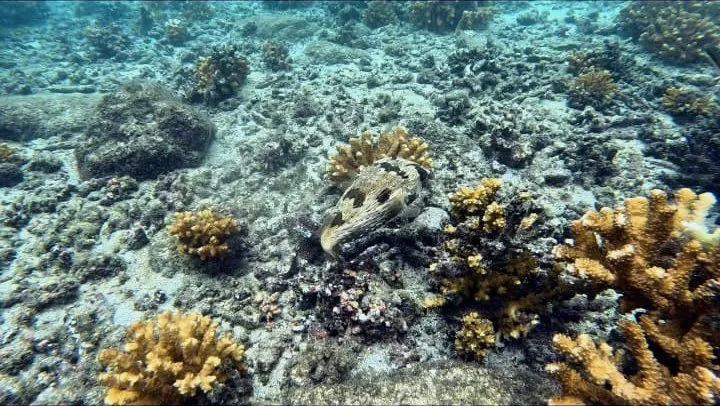
Travel guideHealthy reefs, big animals, warm clear water and almost no crowds — here's what puts Coiba on the world's best-snorkeling lists.
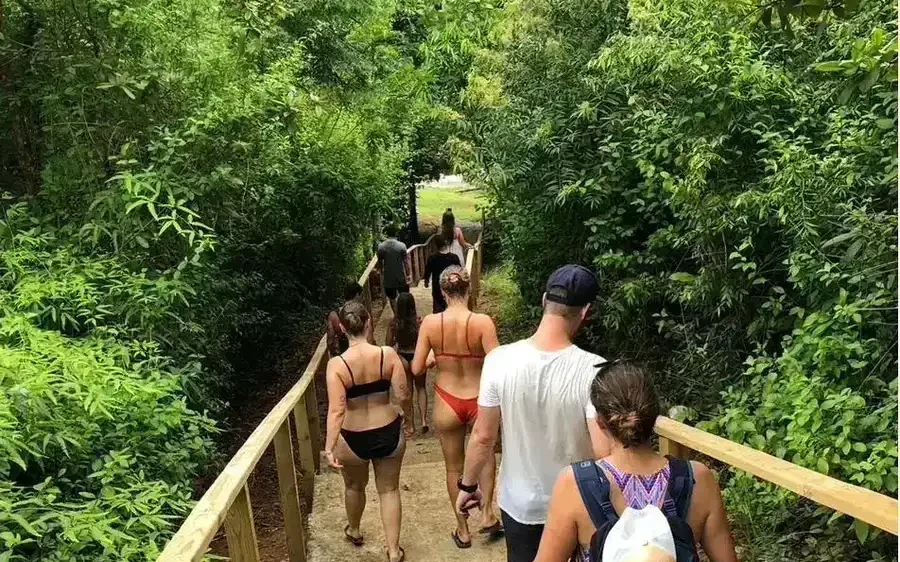 Travel guide
Warm calm water, life vests for all ages, dolphins and beaches — how to make a Coiba day trip easy and magical for the whole family.
Travel guideEverything in one place: how to get there, costs, what to bring, the best season and what makes Coiba a UNESCO World Heritage wonder.
 Wildlife
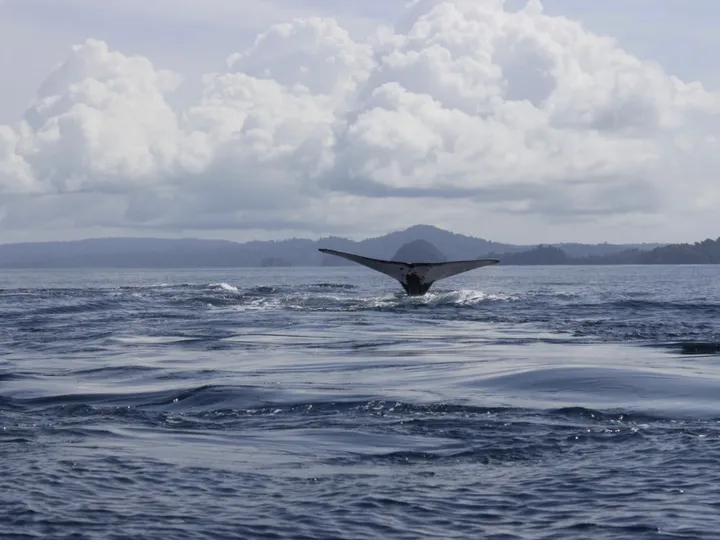
Humpback whales visit Coiba every year from July to October. When to go, what you'll see and how the whale watching tour works.
 Travel guide
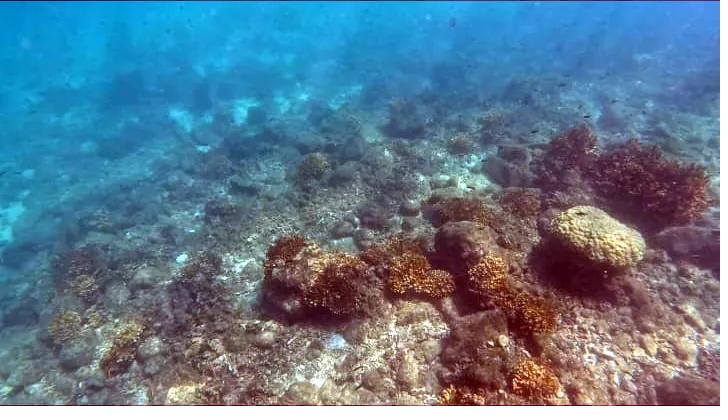
They call Coiba the 'Baby Galápagos' — same UNESCO status, similar wildlife, a fraction of the price. An honest comparison.
 Travel guide
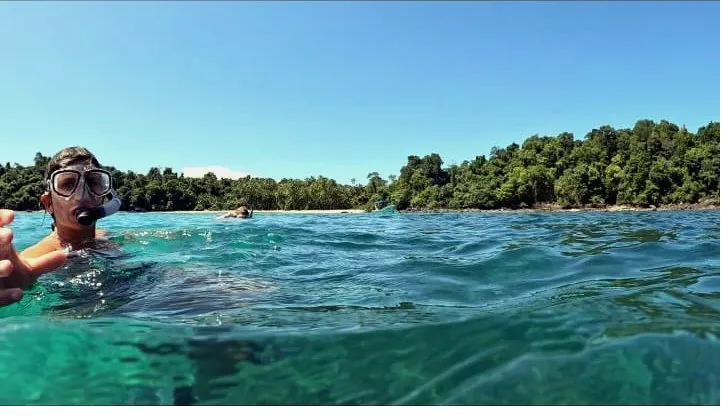
Fly, drive or take the bus to Santa Catalina — every route, travel time and cost laid out so you can pick what fits your trip.
 Seasons
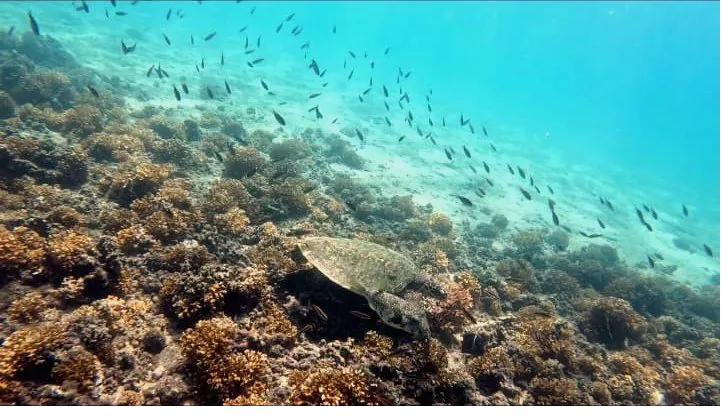
Whale sharks, manta rays or humpback whales? A month-by-month wildlife calendar to help you time the trip perfectly.
WildlifeSea turtles, reef sharks, rays and 760 species of fish. Your field guide to the creatures of the "Baby Galápagos."
TipsFrom reef-safe sunscreen to the documents you can't board without — the complete checklist for a smooth day on the water.
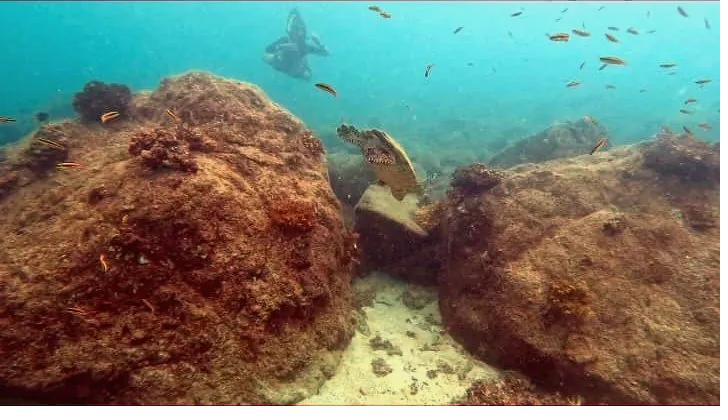 History
The full story of Coiba's transformation — penal colony, "Los Desaparecidos," and the rebirth as a UNESCO World Heritage Site.
Good to knowEntry fees, park regulations, easier access via Lago Bay, and how visiting responsibly keeps Coiba wild for the next generation.
Reading about Coiba is one thing. Floating above its reefs is another. Book a guided tour with the local team that knows these waters best.
Check availability Chat on WhatsApp