 Snorkel Coiba
If you want to explore the underwater world, you have two main options: snorkeling and scuba diving. Both are wonderful, but they suit very different travelers, budgets and comfort levels. Here's an honest, jargon-free comparison to help you choose — and why, for most first-timers and families, snorkeling somewhere like Coiba is the perfect place to begin.
What is snorkeling?
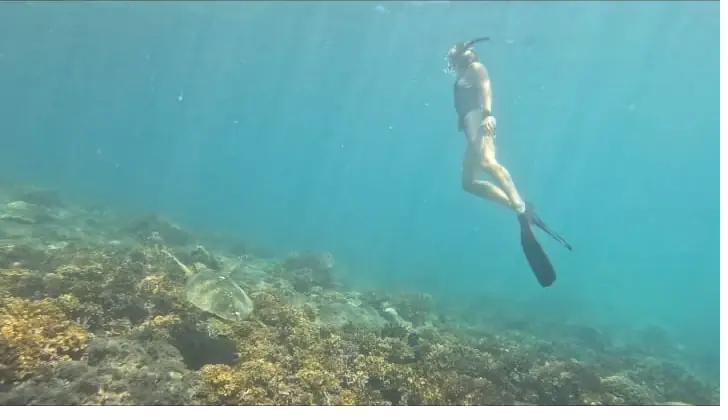
Snorkeling means floating at the surface with a mask and a breathing tube (the snorkel), looking down at the reef below. You breathe normally through the tube while your face is in the water, and fins let you glide with almost no effort. There's no training or certification required, you can start within minutes, and with a life vest you don't even need to be a strong swimmer. In clear, shallow water — exactly what Coiba offers — you'll see turtles, rays, reef fish and coral just a few meters beneath you.
What is scuba diving?
Scuba diving takes you beneath the surface, breathing compressed air from a tank through a regulator. It lets you stay underwater for 30–60 minutes and reach depths a snorkeler can't. The trade-off is preparation: you need training and certification — an introductory "Discover Scuba" experience with an instructor, or a multi-day Open Water course — plus more gear and a bit more confidence in the water. In return you get longer, closer encounters and access to deeper reefs, walls and wrecks.
The key differences at a glance
Training and certification
Snorkeling needs none — a short briefing and you're in. Scuba requires at least an introductory dive with an instructor, and ideally a certification course (typically three to four days) before you can dive independently.
Cost
Snorkeling is far more affordable. A full day of guided snorkeling in Coiba, with gear, life vests and lunch, starts at $70. Certified dives and courses cost considerably more once you factor in tanks, instructors and certification fees.
Time underwater and depth
Snorkelers stay at the surface and can dip down briefly for a closer look. Divers stay below for the length of a tank and explore deeper terrain. That said, in Coiba so much marine life gathers in the shallow, sunlit water that snorkelers see an enormous amount without ever going deep.
Accessibility
Snorkeling works for almost everyone — children, grandparents, non-swimmers (with a vest) and anyone short on time. Scuba has minimum-age and basic health requirements and asks more of your comfort underwater.
What you'll actually see
Honestly? On a healthy reef, snorkelers and divers often see many of the same headline species — turtles, rays, reef sharks, schooling fish — because so much of the action happens in the top few meters. Divers simply get more time with them and reach deeper sites.
Make Coiba part of your trip
A full day snorkeling Coiba National Park — turtles, reef sharks, rays and a beach lunch — starts at $70 with gear, life vests and a local guide included. See the Coiba Island tour.
Which one is right for you?
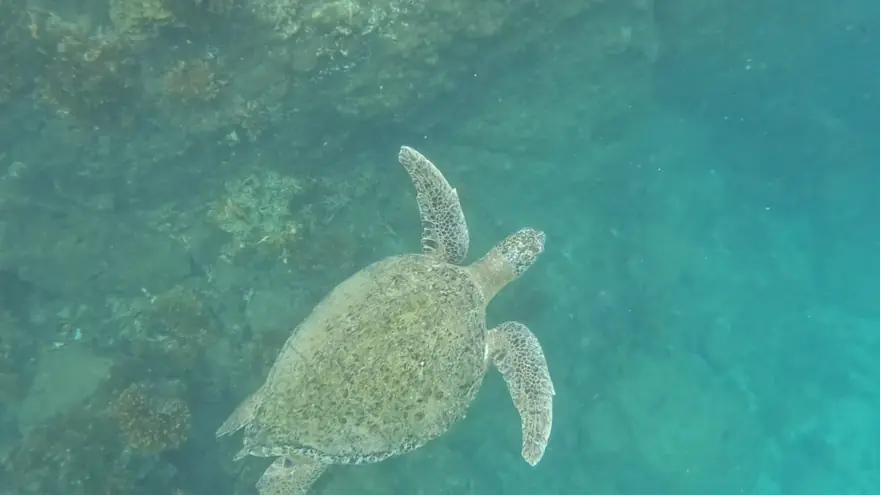
Choose snorkeling if you want to start today with no training, you're traveling with children or mixed ages, you're not a confident swimmer, you're watching your budget, or you simply want a relaxed, low-commitment way to enjoy the reef. Consider scuba diving if you're fascinated by spending extended time underwater, you want to reach deeper sites, and you're happy to invest the time and money in training first.
Why Coiba is a perfect place to start
Coiba National Park is one of the best places in the world to discover snorkeling. The water is warm (24–28°C), clear and often calm; the reefs are shallow and bursting with life; and certified local guides stay in the water with you the whole time. Complete beginners and non-swimmers do brilliantly here — read our snorkeling for beginners guide for exactly what to expect, browse the marine life you'll see, or find out why Coiba ranks among the world's best snorkeling spots.
Can you do both?
Absolutely — many travelers snorkel first to build confidence, then try a guided dive later. Snorkeling is the gentlest possible introduction to the ocean and a fantastic day out in its own right. If Coiba is on your list, our Coiba Island snorkeling tour is the easiest way to get in the water with the local team.
Make Coiba the highlight of your trip
One day, 3 snorkel stops on three islands, turtles, sharks, rays and lunch on the beach — from $70. We're the local team that takes you out, never a middleman.
Book your Coiba tourChat on WhatsApp