 Snorkel Coiba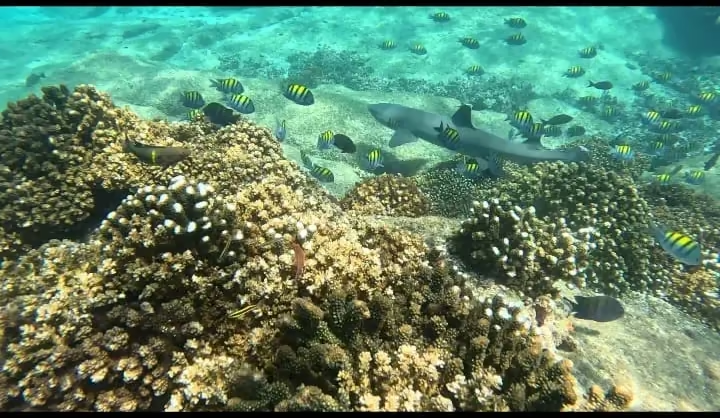
If you're planning your tour and the forecast says "rain", breathe: in Panama the forecast almost always says rain between May and November, and we still head to the park nearly every day. What matters is when it rains and how it rains. As the local crew that runs these waters year-round, here's what the forecast doesn't tell you.
Panama has two seasons, not four
There's no spring or autumn here: there's a dry season (December to April) and a rainy season (May to November), which Panamanians call "winter" even though the heat never changes — daytime temperatures hold steady at 31–33 °C (88–92 °F) all year. The only thing that really changes is the rain. According to Panama's Institute of Meteorology, the wettest months are September, October and November.
What Panama's winter storms are actually like
Green-season rain follows a very distinct pattern: afternoon downpours, heavy but short, often with lightning. It's not a whole grey day — it's a sky that builds after midday, dumps hard for an hour or two, and clears. Mornings, on the other hand, usually dawn sunny with calm seas. That pattern repeats almost daily, and it's exactly why we run our tours the way we do.
This is why the day starts at 8:00 am
It's no accident: our 8:00 am departure catches exactly the best window of the day. We cross to the park on the calm morning sea, do all 3 snorkel stops in the best light and visibility, and return between 3:45 and 4:00 pm — usually before the afternoon storm builds over the coast. In the green season, the early start isn't a sacrifice: it's the strategy.
The "veranillo de San Juan": July–August's dry spell
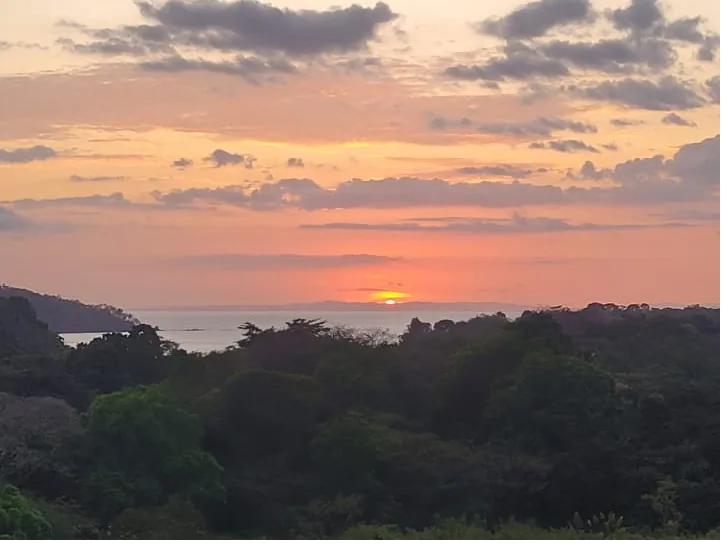
Inside the rainy season hides a secret locals know well: between late July and August the trade winds strengthen and bring a drier spell known as the "veranillo de San Juan" (little summer). Weeks with noticeably less rain in the middle of the green season — and they coincide with the arrival of the humpback whales. That's why July and August are among our favorite months: veranillo + whales + the greenest landscapes.
What if the weather looks bad on your tour day?
We monitor sea conditions and the forecast every single day — five ATP-certified guides who make their living on this water and know how to read it. If conditions aren't safe, we message you on WhatsApp in advance and find the solution together: we move your booking to another day or arrange whatever alternative works best for you. We never go out when the sea says no — which is exactly why, when we do go out, you can relax.
So when is the best time to come?
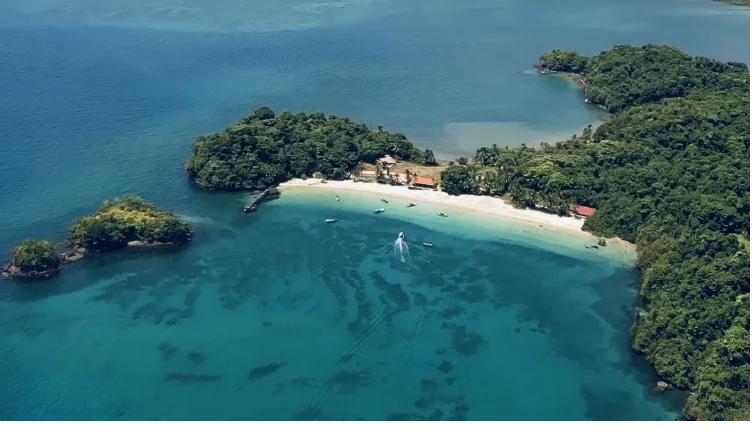
It depends what you're after. The dry season (December–April) offers the most guaranteed sun and generally flatter seas. The green season (May–November) brings the lushest landscapes, fewer visitors, the veranillo, and from July to October the humpback whales. Underwater, the marine life is there all year. Compare month by month in our guide to the best time to visit Coiba and pick your date on the Coiba Island tour.
Book with the crew that reads this sea every day
Local Santa Catalina team, certified guides and direct WhatsApp contact — before, during and after your tour. From $70 per person.
Book on WhatsAppSee the Coiba tour