 Snorkel Coiba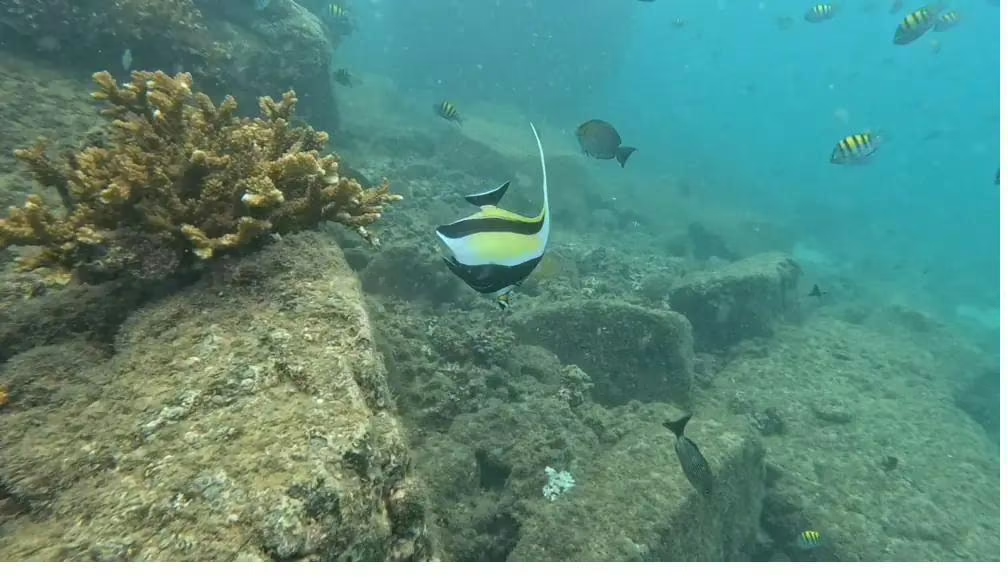
Most nicknames in tourism are marketing. This one has a paper trail. When UNESCO inscribed Coiba National Park as a World Heritage Site in 2005, part of the justification was that these reefs survive the warming events that flatten reefs elsewhere — and then act as a source of new life for islands downstream. That's a rare thing for any reef on Earth, and it happens where our boats go every morning.
What makes these reefs unusual
Coiba sits in the Gulf of Chiriquí, and the gulf's geography shelters it from the cold upwellings that hit the rest of Panama's Pacific coast. The result is water that stays warm and clear year-round, which is exactly what corals want. The park holds the largest area of coral reef and the richest accumulation of coral species on the entire continental shore of the tropical eastern Pacific — not a regional claim, a continental one.
The El Niño survival story
Every few years El Niño pushes a mass of unusually warm water across the eastern Pacific and corals bleach and die over enormous areas. Coiba's reefs get hit too — but they persist. Scientists attribute that partly to the sheltering effect of the gulf. And here's the part that matters beyond Panama: UNESCO describes these reefs as a refuge and a source of species replenishment for other islands, including Cocos and the Galápagos, during and after those events.
So the nickname is backwards
“Baby Galápagos” suggests a smaller imitation. Ecologically, the current runs the other way: coral larvae from Coiba can drift out along the submarine corridor and help repopulate reefs downstream. When you snorkel here you're not visiting a lesser version of a famous place — you're floating over one of the engines that keeps the region alive. We wrote about that underwater corridor in more detail here.
A catalogue still being written
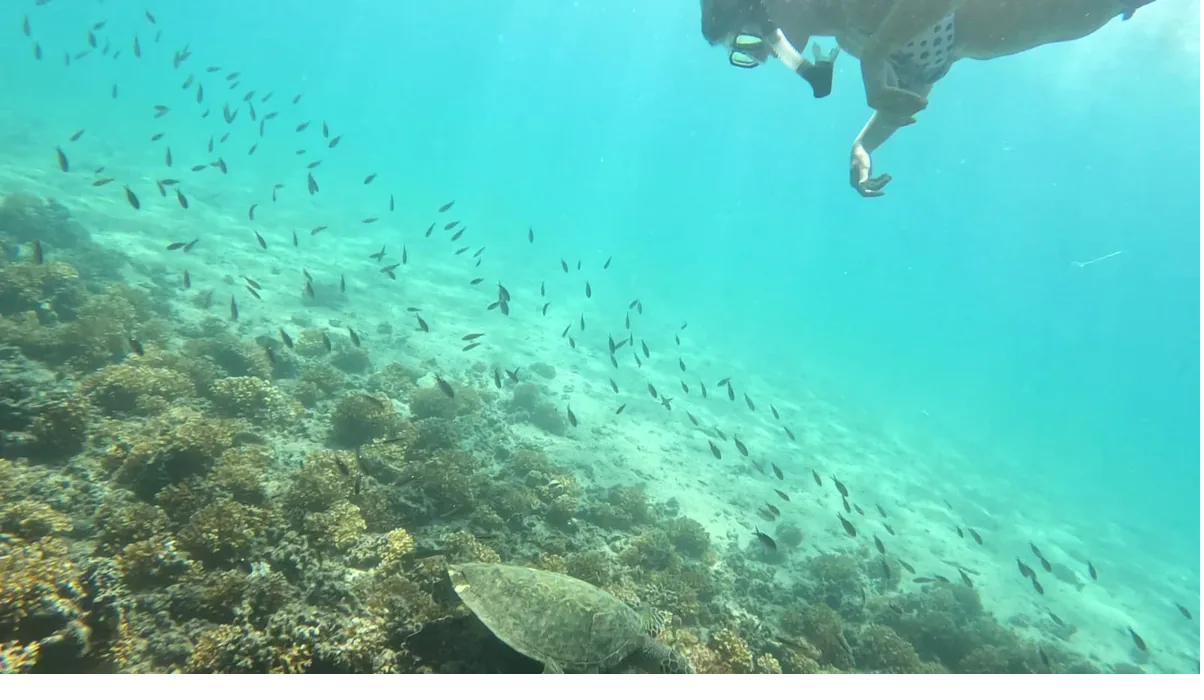
Surveys in the gulf have documented 24 species of hard coral, several exclusive to Panama and some endemic, plus dozens of soft coral species — a large share of which were new to science when they were described. Sponges too. Because these islands were separated from the mainland only 12,000 to 18,000 years ago, new species are still forming here, which is why UNESCO called the park an outstanding natural laboratory.
Coiba is also being searched for medicine
One line of research at the Smithsonian Tropical Research Institute isolated more than 45 chemical compounds produced by marine organisms in Coiba that showed promise against cancer, malaria and other tropical diseases. Nothing on a pharmacy shelf yet — that's how drug discovery works — but it reframes what an untouched reef is worth. A reef nobody has stripped is a library nobody has burned.
What this means for your day here
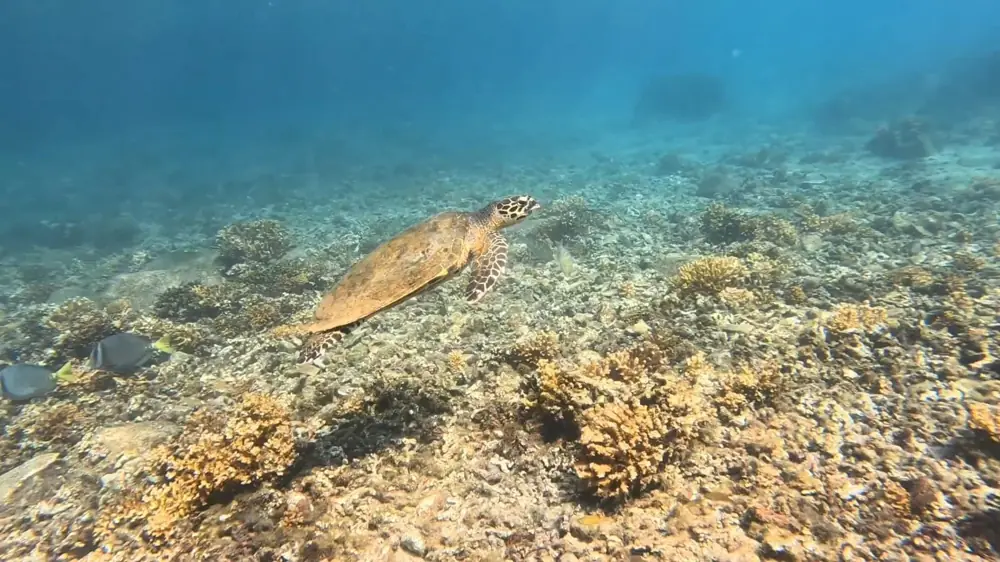
It means the rules make sense. Boat permits are limited, anchoring is controlled, and touching or standing on coral is not a small thing — you're standing on a source population. Our guides brief this before the first stop, not because it sounds good in a brochure, but because it's the actual reason there's something to show you. See what a day looks like, and come see a reef that's doing a job.
Snorkel a reef that reseeds an ocean
Three stops on living coral, turtles and reef sharks, with certified local guides who explain what you're actually looking at.
Book on WhatsAppSee the Coiba tour