 Snorkel Coiba
Coiba isn't a theme park; it's a living, protected wilderness. That means a few rules and fees come with the privilege of visiting — and the good news is that getting here has become far simpler in recent years. Here's the practical rundown for 2026.
The park entrance fee
Every visitor pays an entrance fee to Coiba National Park, collected on arrival. It's separate from your tour price and goes toward maintaining and protecting the park.
Bring this in cash, ideally in small bills. When you book with us, we'll always remind you of the current fee so there are no surprises on the day.
Getting here just got easier
For decades, reaching Coiba's gateway town of Santa Catalina meant a long six-hour drive from Panama City. That's no longer your only option. In recent years, charter flights to the nearby Lago Bay airstrip have opened up — a roughly 45-minute flight followed by a short 15-minute transfer into town. For travellers short on time, it has transformed a full-day journey into a morning one.
You can still drive or take the bus, of course — we cover all the routes in our complete guide to getting to Coiba.
Remember the golden rule: there's no airport or road on Coiba itself. You always reach the island by licensed boat from Santa Catalina.
The rules that protect Coiba
Coiba's extraordinary biodiversity survives because the park is tightly managed. A few things every visitor should know:
- Permit-only access. The park is managed by Panama's environmental authority, and access requires a permit. Licensed tour operators handle this for you — it's one more reason to book with an established local team.
- Boats must be licensed. All visitors enter on authorised boat tours departing from Santa Catalina. Booking a licensed operator isn't just the rule — it's your safety guarantee.
- No overnight stays for most visitors. The island is largely uninhabited today. Only researchers and a small military presence remain on the island after dark, keeping watch over both the wildlife and the waters.
- The park registers your passport or ID details — a clear photo or a copy is enough, so leave the original at your accommodation.
How to visit responsibly
Coiba's reefs and forests are in remarkable shape precisely because people respected them. Help keep it that way:
- Use reef-safe (mineral) sunscreen — conventional sunscreen damages coral.
- Never touch or stand on coral, and keep a respectful distance from turtles, rays and whales.
- Pack out everything you bring in. Leave no trace — especially no single-use plastic.
- Choose small-group, eco-conscious tours that put conservation first.
A conservation success story
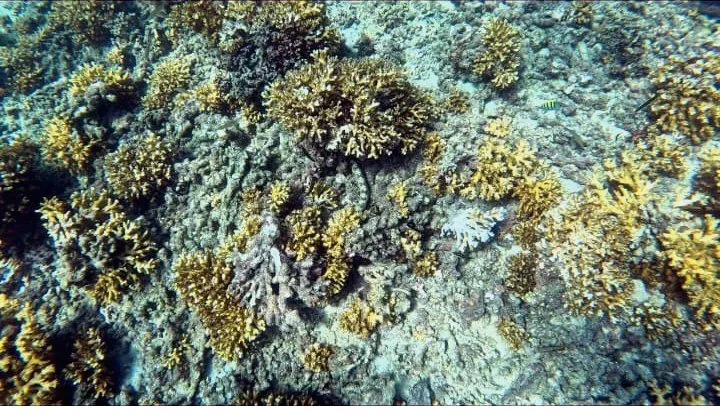
Around 80% of Coiba's rainforest remains untouched and its reefs are among the healthiest in the Eastern Pacific. Visiting responsibly — and choosing operators who care — is part of what keeps it that way for the next generation.
The rules can feel like a lot at first glance, but they boil down to something simple: treat Coiba like the rare gift it is. Do that, and you'll have one of the best days of your life — guilt-free.
One 2026 headline you may have seen: prisoners on Coiba
In June 2026, Panama moved 29 high-security inmates to existing buildings at the island's naval station — a decision that made international news and sparked a debate about the park's UNESCO status. For travelers the practical impact is minimal: the detention area is a closed military zone, all snorkeling sites and visitor areas operate normally, and the only change is that visits to the old prison ruins are suspended. We keep a fact-checked summary updated in this article.
Plan a 2026 trip the easy way
We handle the permits, the licensed boat, the gear and the local know-how. You just bring your sense of adventure.
Start planning Ask us anything