 Snorkel Coiba
Something changed this year. Panama’s tourism authority reported nearly a million visitors in the first quarter of 2026 alone — and no market grew faster than Canada, up almost 49% year on year. On our boats in Santa Catalina we’ve felt it: more Toronto accents, more Vancouver rash guards. Here’s what’s pulling Canadians south, and how to make the trip count.
Your winter is our best season
Panama’s dry season runs mid-December to April — exactly when Canada is at its coldest. While Toronto sits at −10°C, Santa Catalina holds a steady 28–31°C with calm Pacific mornings and the clearest water of the year. Check our month-by-month guide to line up your dates.
Direct flights and zero currency math
Air Canada and WestJet fly direct from Toronto and Montreal to Panama City in under six hours, and Copa connects the rest of the country through its Tocumen hub. Once you land, there’s no exchange-rate anxiety: Panama uses the US dollar, tap-to-pay works in cities, and prices for food and tours run well below what a comparable week costs in Hawaii or the Caribbean.
No hurricanes — ever
Unlike Cancun or the islands, Panama sits below the hurricane belt. In recorded history no hurricane has made landfall here, which is why December-to-April trips don’t carry the fine-print risk Canadians know from other sun destinations. It’s also why Coiba’s reefs have grown undisturbed for centuries — more on that below.
The “Baby Galápagos” most Canadians haven’t heard of yet
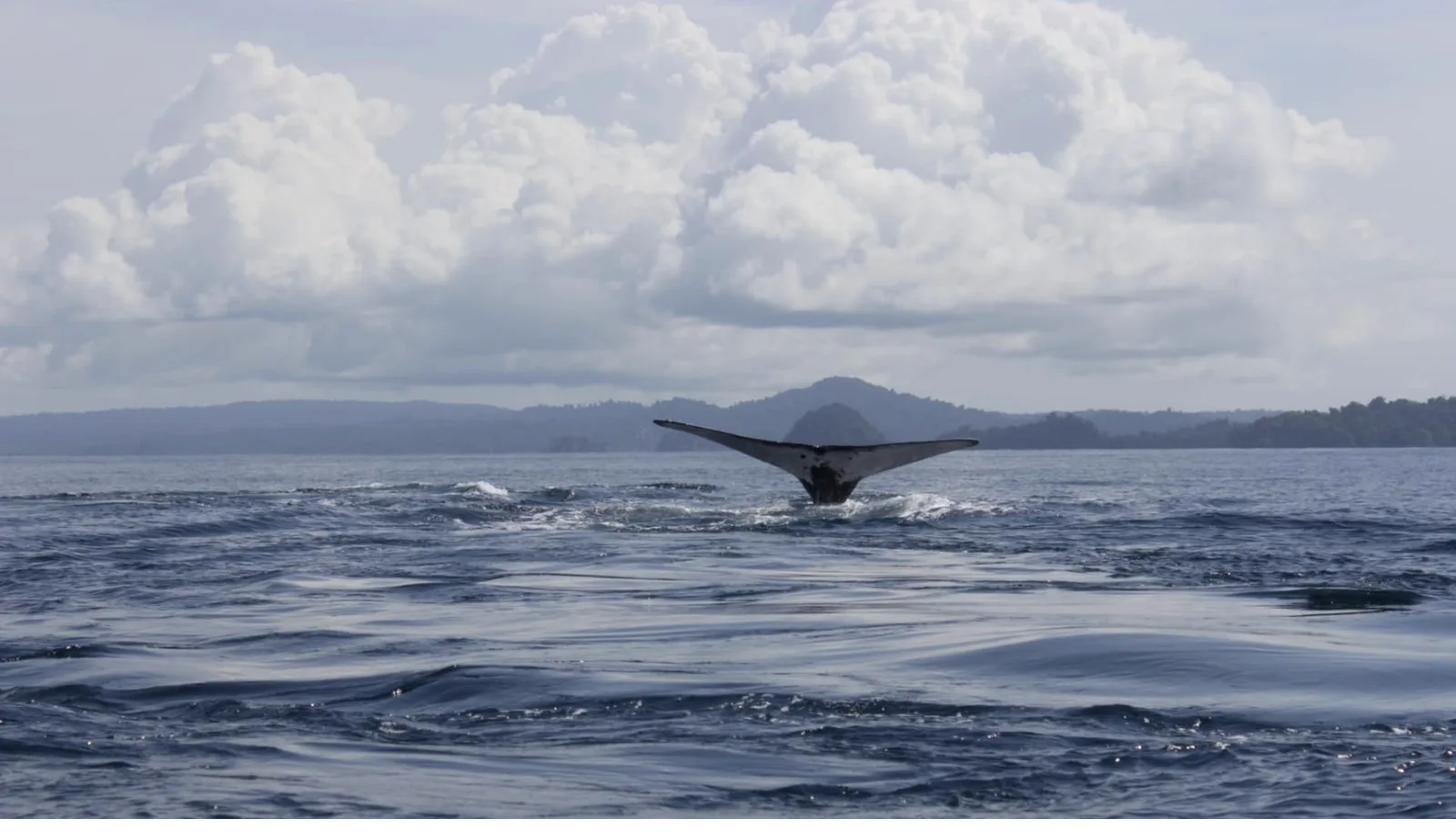
Five hours west of the capital, Coiba National Park is a UNESCO World Heritage marine reserve with 760+ fish species, sea turtles on most tours and harmless whitetip reef sharks on many. A guided day trip from Santa Catalina — boat, gear, lunch and a certified local guide — starts at $70 per person. For a full guided day on the water, that goes a long way.
How a 7–10 day trip fits together
The pattern our Canadian guests love: two days in Panama City (Casco Viejo, the Canal), a night or two in the Chiriquí highlands for coffee and cool air, then three days in Santa Catalina for Coiba, surf and proper hammock time. Our 7-day itinerary maps it stop by stop.
Getting to Santa Catalina without renting a car
No 4x4 needed. Direct shuttles run from Panama City and Boquete to Santa Catalina — see our getting-here guide — and we coordinate pickup times with your tour date so nothing is wasted. Book the tour first, then the shuttle around it.
Trade one week of winter for this
Turtles, reef sharks, a UNESCO island and 30°C mornings — booked direct with the local team, no middleman.
Book on WhatsAppSee the Coiba tour