 Snorkel Coiba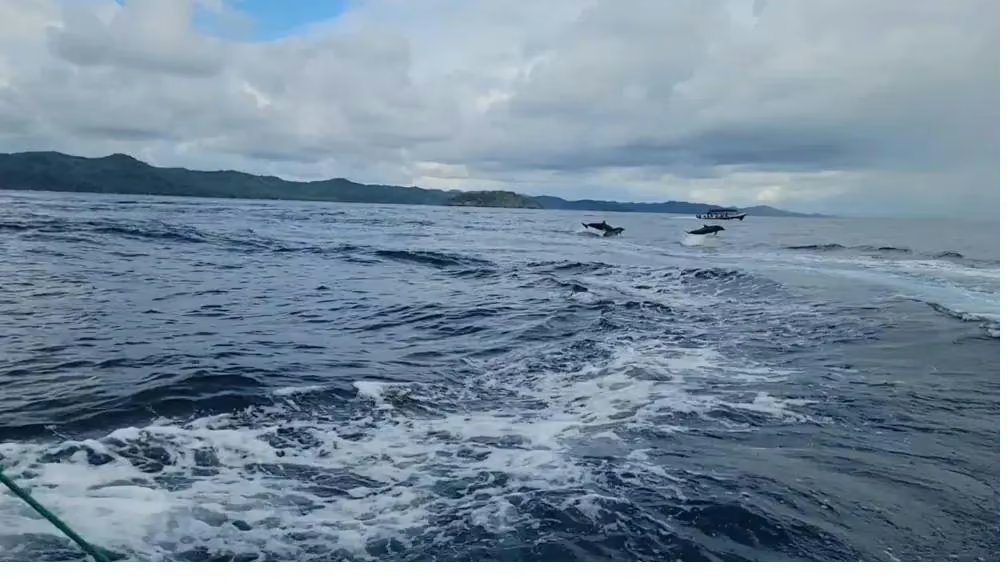
Panama packs an astonishing amount into a small country: two oceans only a few hours apart, a world-famous canal, cloud forests and coffee farms in the highlands, Caribbean islands, Pacific surf, and one of the best-protected marine parks on Earth. Whether you have a long weekend or three weeks, here are the experiences worth building your trip around — and how a single day in Coiba fits perfectly into almost any Panama itinerary.
Panama City: history, the canal and a modern skyline
Most trips begin in Panama City, where glass towers look across the bay at a 17th-century old town. Spend a morning wandering Casco Viejo, the UNESCO-listed historic quarter, with its plazas, rooftop bars and beautifully restored colonial facades. No visit is complete without the Panama Canal — watching a giant container ship rise in the locks at the Miraflores or Agua Clara visitor centers is every bit as impressive as it sounds. With extra time, the Frank Gehry–designed Biomuseo, the breezy Amador Causeway and the rainforest trails of Metropolitan Natural Park — where howler monkeys live within the city limits — round out an easy couple of days.
The Pacific coast: surf, empty beaches and Coiba
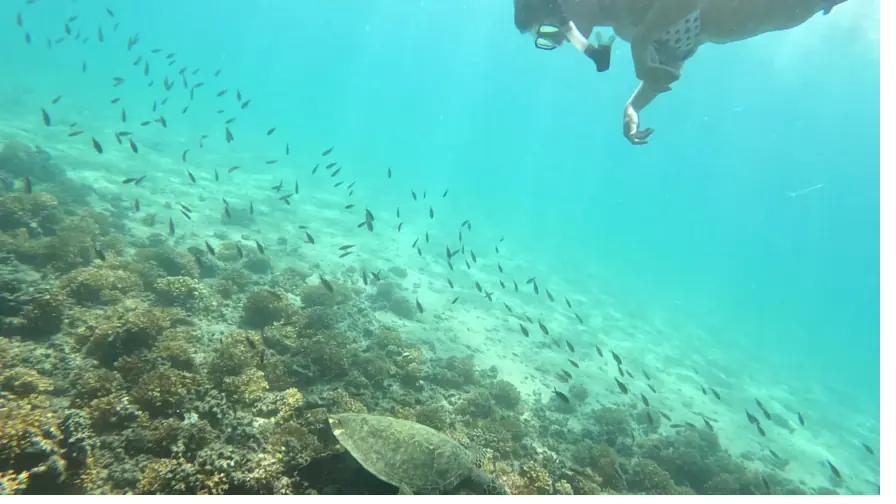
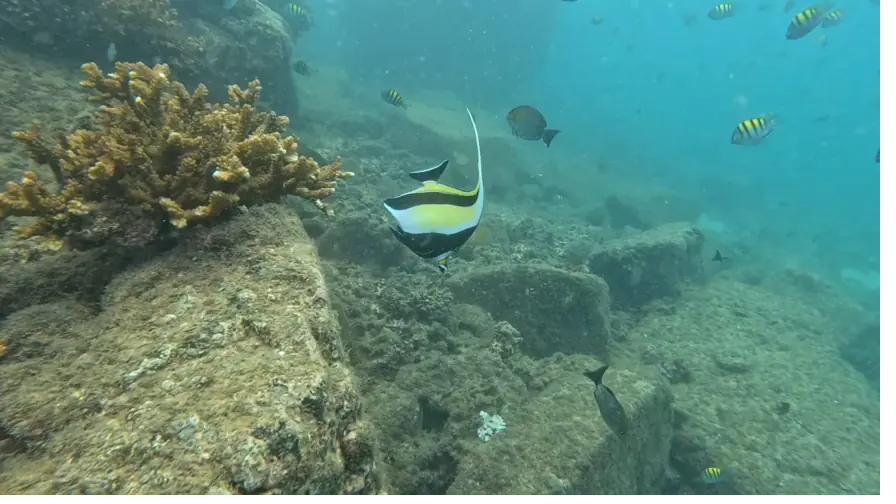
A day's travel west brings you to Santa Catalina, a laid-back village in the province of Veraguas and the launch point for Coiba National Park. This stretch of coast is where Panama turns wild and uncrowded. Santa Catalina is a legendary surf town, but its biggest draw lies offshore: Coiba is a UNESCO World Heritage Site with 760+ recorded fish species, sea turtles, reef sharks, rays and dolphins. Snorkeling here rivals far more famous — and far busier — destinations, which is exactly why it belongs near the top of any Panama list. A full-day tour with gear, guide and lunch starts at $70. See our things to do in Santa Catalina guide, or jump straight to the Coiba Island snorkeling tour.
Make Coiba part of your trip
A full day snorkeling Coiba National Park — turtles, reef sharks, rays and a beach lunch — starts at $70 with gear, life vests and a local guide included. See the Coiba Island tour.
Bocas del Toro: the Caribbean side
On the opposite coast, Bocas del Toro is a Caribbean archipelago of turquoise water, mangroves and over-water bungalows. It's the place for easygoing island-hopping, beach days at spots like Red Frog and Starfish Beach, gentle snorkeling over coral, and a famously relaxed nightlife. It has a completely different rhythm from the Pacific coast — slower, warmer, more island-time.
Boquete and the highlands
For cooler air, head to Boquete in the Chiriquí highlands. This is coffee country — tour a working farm and taste some of the world's most sought-after beans — and a base for hiking, hot springs, zip-lines and the cloud-forest trails where lucky visitors spot the resplendent quetzal. The ambitious climb Volcán Barú, Panama's highest peak, for the rare chance to see both the Pacific and the Caribbean at once from the summit at sunrise.
San Blas (Guna Yala): islands at the edge of the map
The San Blas Islands — properly Guna Yala — are an autonomous territory governed by the Indigenous Guna people: hundreds of tiny, palm-dotted islands scattered across impossibly clear Caribbean water. It's rustic, remote and unforgettable. Think hammocks, fresh-caught fish and sleeping a few steps from the sea, with almost nothing between you and the horizon.
The Azuero Peninsula: tradition and quiet beaches
For Panama's cultural heartland, the Azuero Peninsula offers colonial towns, vivid festivals and folklore, and mellow beach towns like Pedasí — a favorite for travelers who want surf, sportfishing and small-town calm well away from the crowds.
Practical tips for visiting Panama
When to go
The dry season (mid-December to April) brings the most reliable sunshine and is the peak travel window. The green season (May–November) is lush, quieter and cheaper, with short heavy downpours rather than all-day rain. Coiba is excellent year-round — here's the best time to visit Coiba, month by month.
Money and language
Panama uses the US dollar (locally also called the balboa), so there's nothing to exchange if you're arriving from the US. Spanish is the official language, with English widely spoken in tourist areas. Carry some cash for smaller towns, boats and park entrance fees.
Getting around
Short domestic flights, comfortable long-distance buses and rental cars all work well. Distances look small on a map, but roads can be slow, so build in travel time — especially heading to the coast. For the journey out to Coiba specifically, see our getting here guide.
Build Coiba into your Panama trip
However you piece together your itinerary, a day in Coiba is one of the easiest things in Panama to fall in love with — and one of the few truly world-class marine parks you can still enjoy without the crowds. Reserve a spot, and we'll take care of the rest.
Make Coiba the highlight of your trip
One day, 3 snorkel stops on three islands, turtles, sharks, rays and lunch on the beach — from $70. We're the local team that takes you out, never a middleman.
Book your Coiba tourChat on WhatsApp