 Snorkel Coiba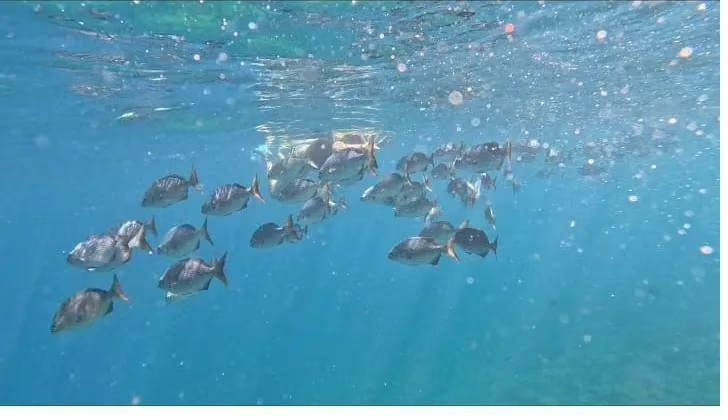
Panama is one of the only places on Earth where you can snorkel the Caribbean in the morning and the Pacific a few hours later. Two oceans, hundreds of islands, and some of the most biodiverse water in the Americas — it's a snorkeler's dream that still flies under the radar. Here are the best places to snorkel in Panama, and why one of them, Coiba, stands head and shoulders above the rest.
What makes Panama special for snorkeling
Few countries pack this much coastline into such a small space. On the Caribbean side you get warm, calm, postcard-turquoise water and easy reefs. On the Pacific side you get cooler, nutrient-rich currents that feed an extraordinary abundance of life — bigger fish, more turtles, rays and sharks. Together they make Panama a place where snorkelers of every level find their perfect spot.
1. Coiba National Park — Panama's crown jewel
If you only snorkel in one place in Panama, make it Coiba. This vast, protected marine park off the Pacific coast is a UNESCO World Heritage Site with over 760 recorded fish species, sea turtles, white-tip reef sharks, rays, dolphins and seasonal whales. The reefs are healthy, the water is clear and — crucially — it's still wonderfully uncrowded compared with famous spots elsewhere. The launch point is the easygoing village of Santa Catalina, and a full-day tour with gear, guide and lunch starts at just $70. Start with our guide to the best snorkeling in Coiba, plan your stay with the Santa Catalina guide, or go straight to the Coiba Island snorkeling tour.
2. Bocas del Toro — easygoing Caribbean reefs
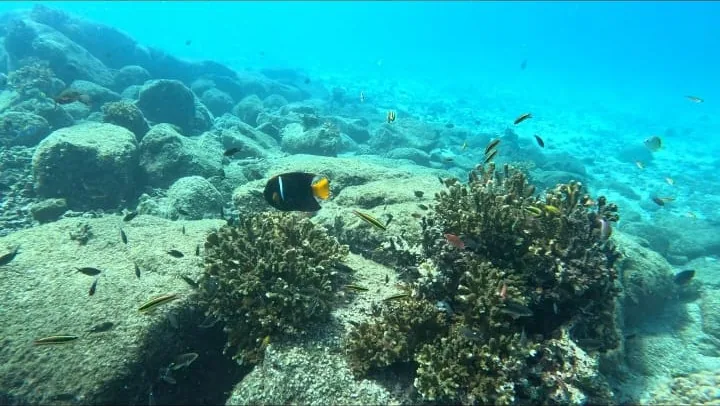
On the opposite coast, Bocas del Toro is a laid-back Caribbean archipelago of turquoise lagoons, mangroves and shallow coral. It's perfect for relaxed, gentle snorkeling at spots like Coral Cay and around Bastimentos, paired with island-hopping and a famously mellow nightlife. The water is warm and calm — ideal if you want your snorkeling with a side of beach-bar ease.
3. San Blas (Guna Yala) — islands at the edge of the map
The San Blas Islands, governed by the Indigenous Guna people, are hundreds of tiny palm-dotted islets scattered across impossibly clear Caribbean water. Snorkeling here is about simplicity and seclusion — coral patches, starfish, the occasional shipwreck, and sleeping a few steps from the sea. It's remote and rustic, and unlike anywhere else in the country.
4. Isla Iguana and the Azuero coast
On the Azuero Peninsula, the wildlife refuge of Isla Iguana offers protected reef and clear water within easy reach of beach towns like Pedasí — a good option if you're exploring Panama's cultural heartland and want a half-day of snorkeling on the side.
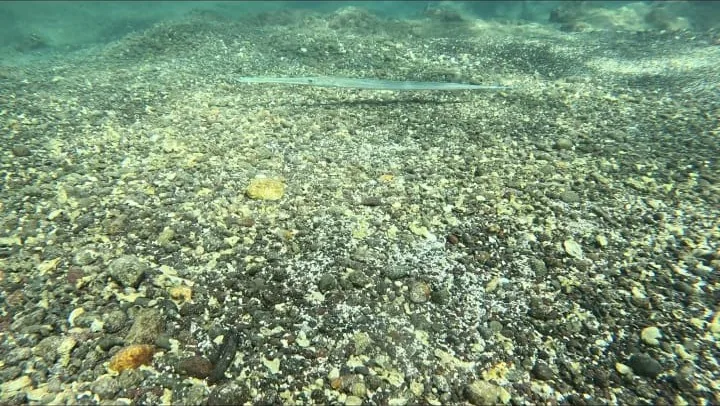
Panama's best-kept secret isn't a beach or a city. It's the water — and Coiba has the best of it.
Caribbean or Pacific — which is better for snorkeling?
It depends on what you're after. The Caribbean (Bocas, San Blas) wins on calm, warm, beginner-friendly water and that classic turquoise look. The Pacific (Coiba) wins on sheer abundance of life — this is where you swim with turtles, sharks and rays among enormous schools of fish. For a true wow-factor wildlife experience, the Pacific and Coiba are unbeatable. See exactly what lives in Coiba's waters.
When to snorkel in Panama
The dry season (mid-December to April) brings the calmest seas and best visibility on both coasts and is the peak window. The green season (May–November) is lush, quieter and cheaper, with short downpours rather than all-day rain — and the water stays warm year-round. Coiba is excellent in every season; here's the best time to visit Coiba month by month. Don't forget the essentials — our snorkeling packing list has you covered.
Snorkel the best of Panama
Coiba delivers turtles, reef sharks, rays and 760+ fish species in a single day — from $70 with gear, life vests, guide and lunch. See the Coiba Island tour.
How to choose a snorkeling tour
Wherever you snorkel in Panama, a few things separate a great day from a forgettable one: small groups, so you're not fighting a crowd for the best spots; local guides who know where the wildlife actually is; and booking directly with the operator rather than through a middleman who marks up the price. In Santa Catalina, that's us — the local team that runs every Coiba trip ourselves.
Make Coiba the highlight of your Panama trip
You could spend weeks chasing reefs across two oceans — or you could spend one perfect day in Coiba and tick off turtles, sharks, rays and hundreds of fish in one go. However you build your trip, this is the snorkeling people remember. Reserve a spot and we'll take care of the rest.
Snorkel Panama's best reef
One day, 3 snorkel stops on three islands, turtles, reef sharks, rays and lunch on the beach — from $70, booked directly with the local crew. No middlemen, ever.
Book your Coiba tourChat on WhatsApp