You may have seen the headlines: prisoners are back on Coiba. It's true — and because we believe our guests deserve the full picture, not rumors, here is exactly what happened, what Panamanian institutions are saying about it, and what it means for anyone planning a snorkeling or whale-watching day in Coiba National Park. Short version: our tours run exactly as before, and the areas we visit were never part of the story.
What happened in June 2026
In mid-June 2026, Panama's Ministry of Public Security transferred 29 inmates classified as high-risk — described as leaders of criminal organizations — to a detention facility at the Teniente Nelson Tenas air and naval station on Coiba Island, operated by the National Aeronaval Service (SENAN). According to the official statement, the men were moved from the Punta Coco detention center, whose security had been compromised. (source)
The context matters: in early June a mass escape from the La Joyita prison on the mainland pushed prison security to the top of the national agenda, and the government announced a package of stricter penitentiary measures. Moving a small group of high-profile inmates to the most isolated, most heavily patrolled station in the country was part of that response. Officials stress that existing buildings at the naval station are being used and that no new construction has taken place inside the protected area.
A 60-second history refresher
From 1919 to 2004, Coiba was one of Latin America's most feared penal colonies — up to 3,000 inmates spread across open-air camps. That dark reputation kept settlers and developers away for almost a century, which is precisely why about 80% of the island's rainforest is still untouched. When the prison closed, Law 44 of 2004 created Coiba National Park, required the last prisoners to leave, and limited any infrastructure on the island to conservation, research and ecotourism. UNESCO declared it a World Heritage Site in 2005. The full story is in our article from prison island to paradise.
The debate: security vs. World Heritage
The transfer immediately opened a national debate, and it's worth knowing where each institution stands:
- Panama's Ombudsman (Defensoría del Pueblo) warned that reactivating any prison operation on Coiba could conflict with Law 44 and put the UNESCO World Heritage status at risk.
- Environmental authorities and conservation groups raised concerns about precedent inside a protected area, and the park's governing council formally requested details of the operation.
- The Chamber of Tourism of Veraguas voiced concern about the island's image as an ecotourism destination.
- The government maintains that the measure is temporary in nature, uses pre-existing naval buildings, involves no change of land use, and that environmental monitoring in the park continues as normal.
What this means for your Coiba tour: honestly, almost nothing
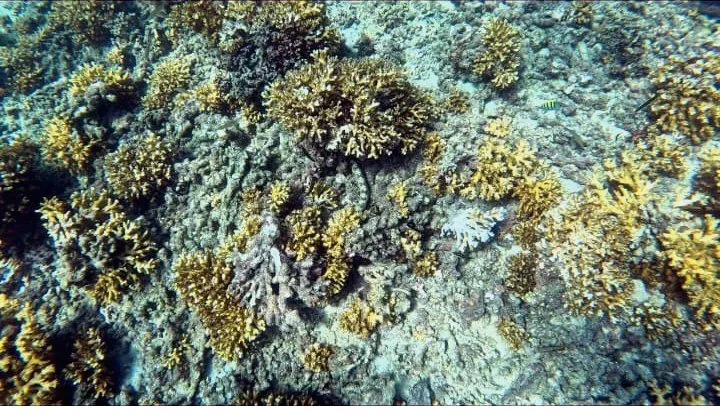
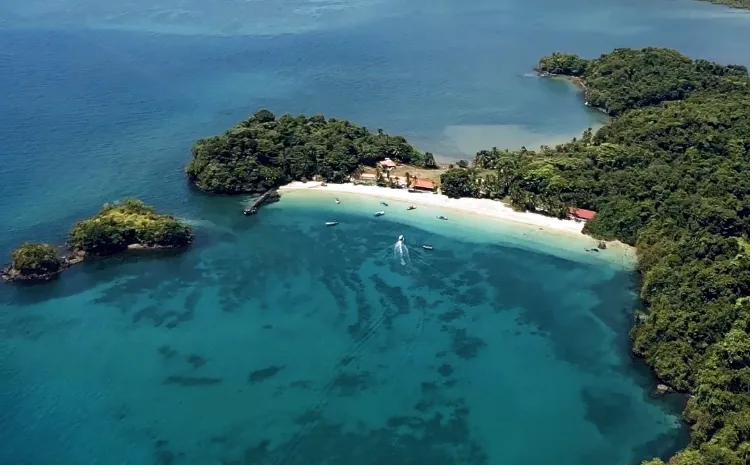
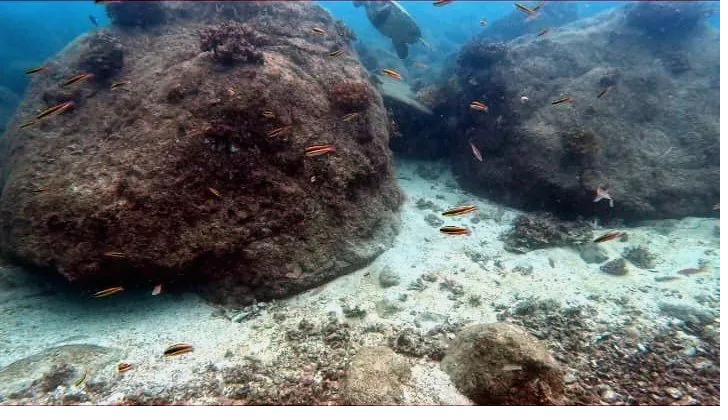
Here's the part that matters if you're planning a trip. The detention facility sits inside a restricted military zone that tourists never entered — not before June 2026, and not now. Our day tours visit the reefs and islets on the park's visitor side: the snorkeling stops at Coco Pequeño, Coco Grande and Islas Canales, plus Ranchería Island and the park's visitor center. Those sites, the ranger station, the beaches and the whale-watching grounds are open and operating exactly as always. If anything, the reinforced SENAN presence means more patrols against illegal fishing — the park's real long-term threat.
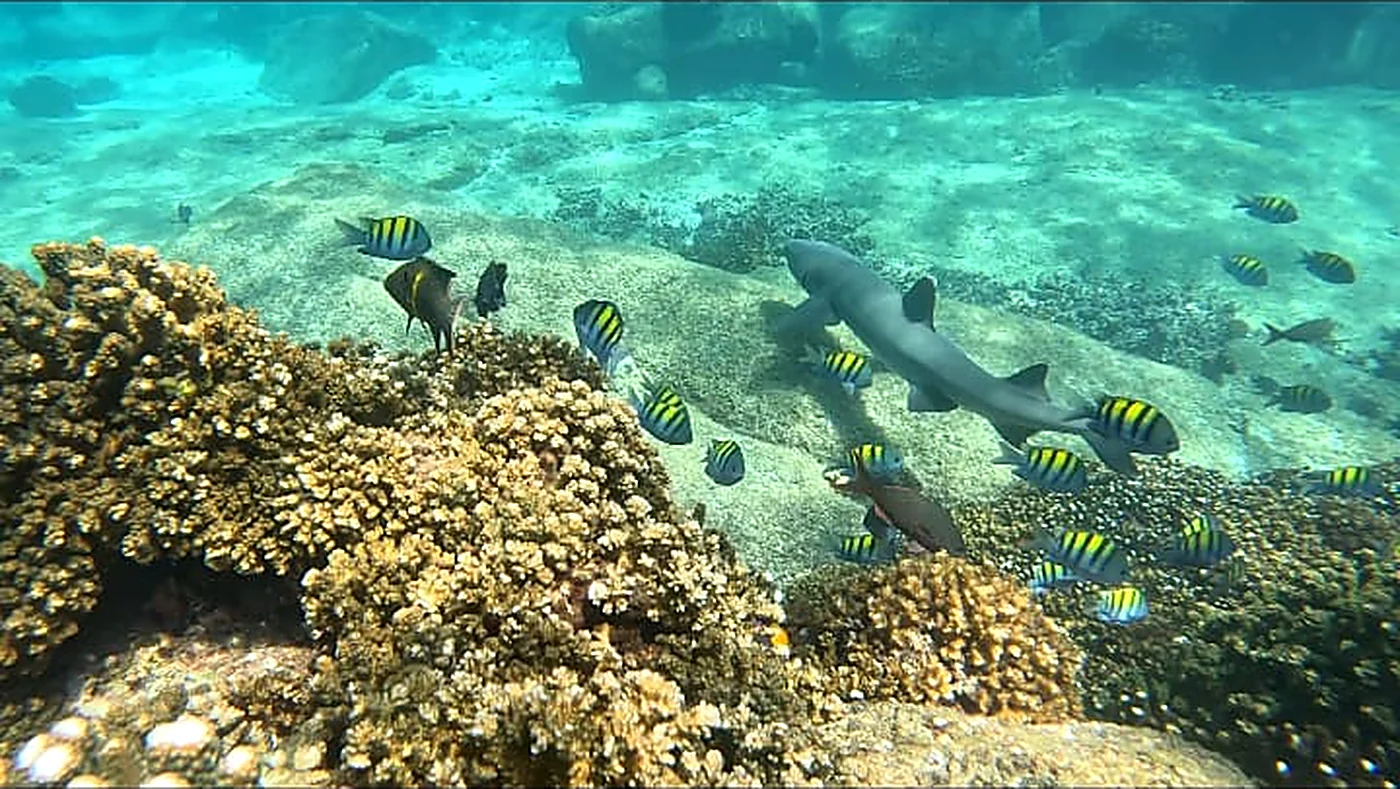
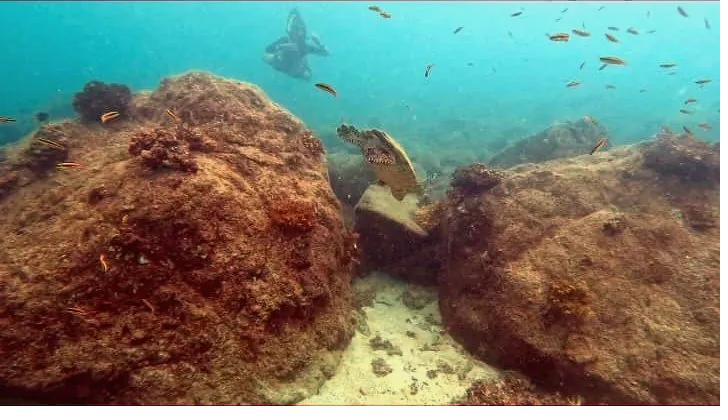
We were on the water the same week the news broke — turtles at the first stop, a whitetip reef shark cruising the coral garden, dolphins on the crossing home. The Coiba our guests come for is unchanged.
Why we no longer offer the prison-ruins visit
For years, a guided walk through the ruins of the old penal colony was a popular add-on in the region. With an active detention operation now based at the station, access to that sector of the island is restricted, and we have removed the prison visit from our tour lineup rather than sell an experience we can't reliably deliver. The history hasn't gone anywhere — you'll still hear it from your guide on the boat, and you can read it in depth on this blog. If access to the historic site reopens for visitors, we'll be the first to tell you, right here.
Our promise: we'll keep this page honest
This is a developing situation, and institutions in Panama are still debating it. We live and work here, so as things evolve we will update this article — with facts, not speculation. Last reviewed: July 2026.
Quick answers
Is it still safe to visit Coiba?
Yes. The detainees are held inside a guarded naval installation with no contact with visitor areas, which are kilometers away by water. Day tours, park rangers and the visitor center all operate normally, and the naval station itself has patrolled these waters for years.
Can I visit the old penal-colony ruins?
Not at the moment. Access to that sector is restricted while the detention operation is active, so we don't offer or resell that visit. Our full-day snorkeling, whale-watching and private tours are unaffected.
Will Coiba lose its UNESCO status?
Nobody can say yet. The Ombudsman has warned it's a risk, the government says the measure respects the park's legal framework, and the discussion is ongoing. What we can say is that the reefs, the wildlife and the protections travelers experience on the water are the same today as they were last season.
Want the deeper background? Read the full history of Coiba's prison era, see what else is new in Coiba in 2026, or start planning with our ultimate guide to visiting Coiba.
See the Coiba that never changed
Turtles, reef sharks, rays and — in season — humpback whales. Ask us anything about the current situation on WhatsApp; we're here every day.
Book your Coiba tour Chat on WhatsApp