 Snorkel Coiba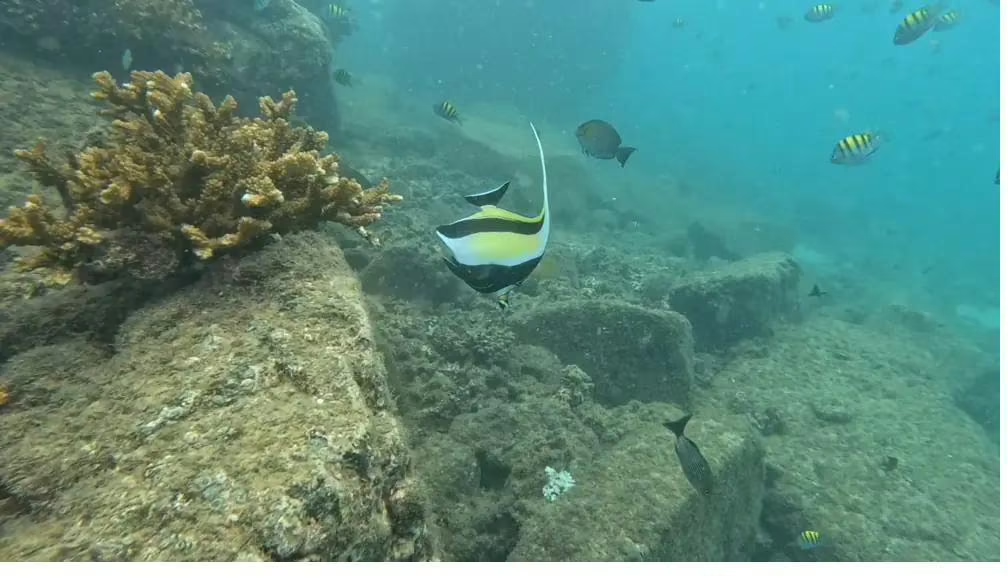
Santa Catalina is a tiny fishing-and-surf village on Panama's Pacific coast, in the province of Veraguas — and the only launch point for boats into Coiba National Park. It's the kind of place where the paved road eventually turns to dirt, the wifi is optional, and the sunsets are mandatory. If you've made the journey out here (or are planning to), here's everything worth doing once you arrive.
Where is Santa Catalina?
Santa Catalina sits at the southern tip of Veraguas, roughly a day's travel from Panama City. It's the last town before the open Pacific, which is exactly why it matters: Coiba Island lies about 24 km offshore, and Santa Catalina is the closest mainland village with boats, guides and gear. Most travelers come for two things — the surf and the sea — and many discover they came for one and fell in love with the other. For the full rundown of routes, buses and charter flights, see our guide on how to get to Santa Catalina and Coiba.
The best things to do in Santa Catalina
1. Snorkel or dive Coiba National Park (the main event)
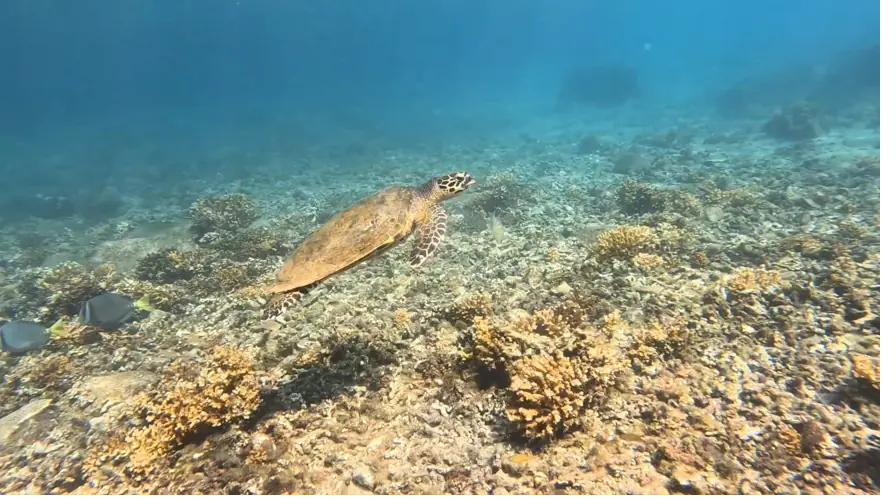
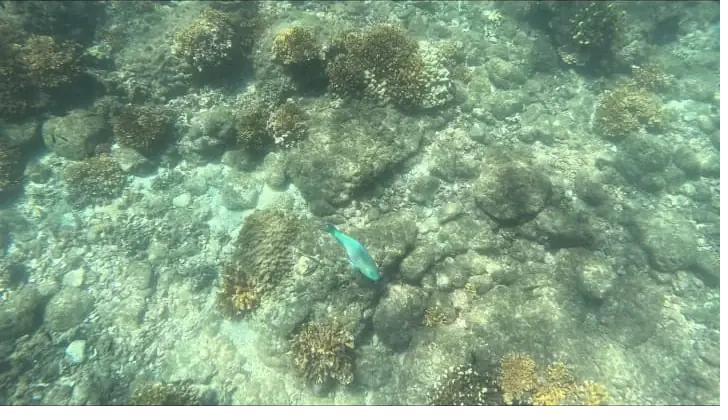
This is the reason most people end up in Santa Catalina. Coiba is a UNESCO World Heritage Site often called the "Baby Galápagos," with 760+ recorded fish species, sea turtles, whitetip reef sharks, rays, dolphins and vast schools of tropical fish. A full-day snorkeling tour with gear, life vests, a local guide and lunch starts at $70 per person and starts at 8:00 am, leaving the dock at 8:30. Even complete beginners do brilliantly here — read our snorkeling for beginners guide, or browse what lives down there in our Coiba marine life guide. Ready to go? Here's the Coiba Island snorkeling tour.
2. Surf one of Central America's most consistent breaks
Santa Catalina is a legend in the surfing world. Its main right-hand point break, known locally as La Punta, works over a rock-and-reef bottom and holds its shape on bigger swells, drawing experienced surfers from around the globe. Beginners aren't left out: the sandy beach break at Playa Estero is the friendly place to take a lesson and find your feet. Boards and lessons are easy to arrange in town.
3. Discover Coiba's prison-island past
For 85 years — until 2004 — Coiba was one of Latin America's most feared penal colonies, and that dark reputation is precisely what kept the island wild. The backstory is genuinely gripping — we tell it in full in the history of Coiba.
4. Go whale watching in season (July–October)
Each year humpback whales migrate through the waters around Coiba, and from July to October — peaking in August and September — you can be on the boat when they pass. Our whale watching tour pairs the whales with snorkeling, and our whale watching guide covers exactly when and where to see them.
5. Slow down on the beaches
Santa Catalina runs on the tide. At low tide, Playa Estero opens into a long, walkable stretch of sand, and you can cross to Isla Santa Catalina, the small island just off the main beach, to explore tide pools and quiet coves. Check the tide times locally before you set out — they shape the whole day here.
6. Try sportfishing or take a dive course
The same rich waters that make Coiba a snorkeling paradise also make this one of Panama's premier offshore sportfishing regions. Dive shops in town run PADI courses and trips for those who want to go deeper than snorkeling — Coiba's pinnacles attract sharks and pelagics that rival far more famous sites, with a fraction of the crowds.
7. Eat fresh seafood and watch the sunset
Santa Catalina is small and delightfully low-key. Expect fresh-caught fish, casual open-air kitchens, a handful of good little restaurants, and the kind of pace that resets your nervous system within a day. The sunsets over the Pacific are the nightly main event.
Santa Catalina is the rare surf town that doubles as the doorstep to a world-class marine park — come for one, stay for both.
How to get there
Most travelers reach Santa Catalina by road from Panama City (via the city of Santiago), by bus, or by a short charter flight followed by a transfer. It's remote by design, which is part of the charm. We've laid out every option — driving, bus connections, flight and the boat ride out to Coiba — in our dedicated getting here guide.
When to visit
Santa Catalina is a year-round destination, but the experience shifts with Panama's two seasons. The dry season (December–April) brings the calmest seas, best underwater visibility and whale sharks; the green season (June–November) brings humpback whales (July–October), lush scenery and the fewest visitors. Surfers often prefer the bigger swells of the green season. Our month-by-month guide to visiting Coiba breaks down exactly what each part of the year offers.
Where to stay
For such a small town, Santa Catalina has a surprising range — from backpacker hostels and surf camps to comfortable mid-range guesthouses and a few boutique boutique-style lodges with ocean views. Book ahead in the dry season and around holidays, when surfers and divers fill the town. Wherever you stay, you're never far from the water.
Plan your Coiba day first
Coiba tours run on the weather and fill up in high season. Lock in your snorkeling or whale-watching date early, then build the rest of your Santa Catalina trip around it. Message us on WhatsApp and we'll help you pick the best day.
Practical tips for Santa Catalina
- Bring cash. ATMs are limited and not always reliable — carry enough cash for your stay and tours.
- Book Coiba tours in advance. Boats are weather-dependent and spaces are limited, especially in the dry season and whale season.
- Pack for sun and sea. Reef-safe sunscreen, a rash guard, a hat and water shoes go a long way. See our full Coiba packing list.
- Embrace the off-grid pace. Wifi and mobile signal can be patchy. That's a feature, not a bug.
- Respect the park. Don't touch coral or wildlife; your park fee directly funds Coiba's protection.
Make Coiba the highlight of your trip
One day, 3 snorkel stops on three islands, turtles, sharks, rays and lunch on the beach — from $70. We're the local team that takes you out, never a middleman.
Book your Coiba tourChat on WhatsAppFrequently asked questions
How many days should I spend in Santa Catalina?
Two to four days is the sweet spot: enough time for a full Coiba snorkeling day, a surf or beach day, and a second boat trip (in season, whale watching — or a second day on new reefs) — with room to slow down in between.
Is Santa Catalina worth it if I don't surf?
Absolutely. Surfing is the headline, but Coiba's snorkeling and whale watching, the beaches, the prison-island history and the laid-back atmosphere make it a fantastic base even if you never touch a board.
Do I need a car?
Not necessarily. Many visitors arrive by bus or shuttle and get around town on foot — it's tiny. A car gives you flexibility for the drive from Panama City, but it isn't required once you're here.
Can total beginners snorkel Coiba from Santa Catalina?
Yes — life vests and gear are provided and our guides stay in the water with you. If it's your first time, read our snorkeling for beginners guide and you'll be ready.
Whenever you're ready, our Ultimate Guide to Visiting Coiba ties it all together — or simply book your day on the water and let us handle the details.