 Snorkel Coiba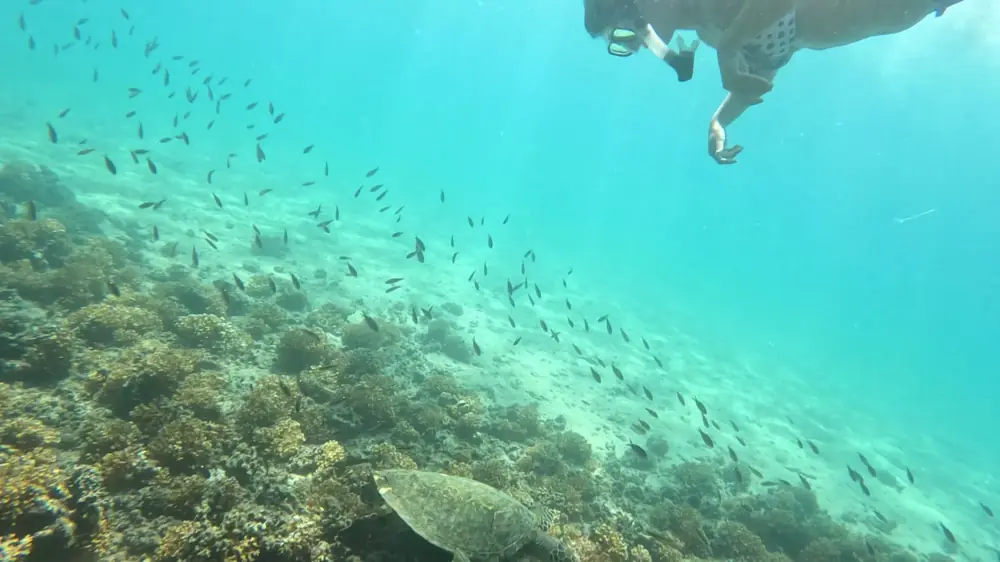
Ask most travel sites about Panama from May to November and you'll get one word: rain. It's not wrong, but it's a bad summary. Green season here means afternoon showers, not all-day downpours, and it brings three things dry season can't: whales, empty reefs, and an island that's actually green. We run tours through all of it, so here's the honest version.
What the rain actually does
Green-season rain in this part of Panama usually arrives in the afternoon, often heavy, often over in an hour. Mornings are frequently clear and calm — which is exactly when we're on the water, leaving at 8:30 and back mid-afternoon. A rain shower on the ride home is a normal green-season experience and not a ruined day. Bring a light rain jacket and you've solved it.
The whales only come in green season
This is the part nobody mentions when they tell you to avoid these months. Humpback whales that fed in Antarctic waters arrive to breed from July to October — which is green season. The crossing to Coiba runs through their nursery, so you can get whales on the way to a snorkel day at no extra cost. Dry season has clearer water; it does not have whales. The migration itself is worth reading about.
You'll often have the reef to yourself
Coiba limits boat permits year-round, but in green season far fewer boats go out at all. On a quiet week in May, June or November you can arrive at a snorkel stop and be the only group there. Accommodation in Santa Catalina is easier to find and cheaper, and the village feels like a village rather than a season. If crowds are what you're trying to avoid, this is the answer.

The honest trade-off: visibility
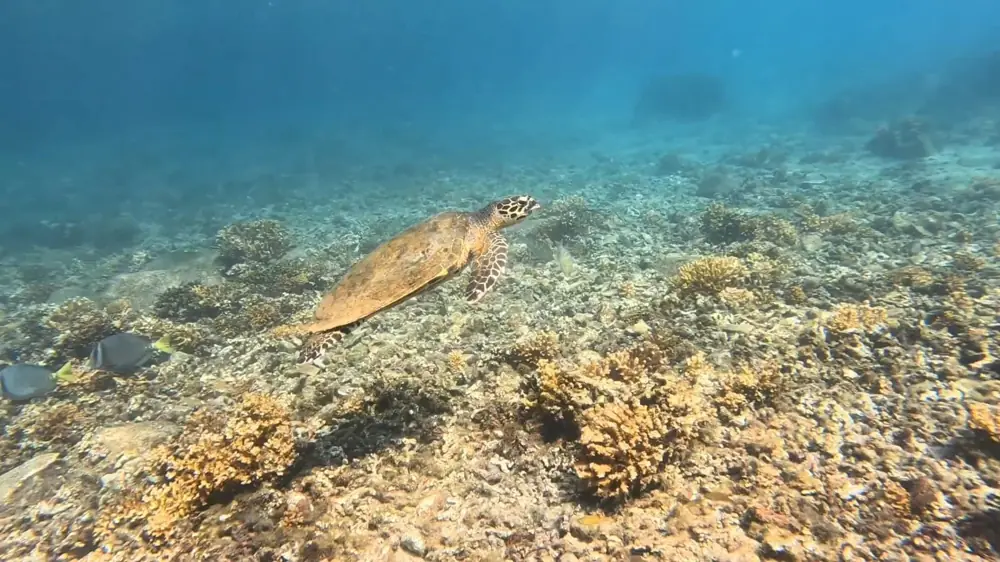
Here's what you give up. River runoff and swell can reduce underwater visibility, and it's more variable day to day than in dry season. Some green-season days are as clear as January; some are milkier. The reef life is the same — turtles, reef sharks, the same 760+ fish species — you just might see it through slightly less perfect water. If crystal clarity is the whole point of your trip, come in dry season instead.
What the sea does, and what we do about it
The crossing can be livelier in these months. Our answer is the same all year: we leave at 8:30 because mornings are calmer, and we don't go when conditions are dangerous — the captains decide, and if we cancel for weather you choose a free date change or a full refund of your deposit. That's the only case where the deposit comes back, and it's written into our policies. If you're prone to motion sickness, read this before you book.
So who should come in green season?
Come May to November if you want whales, space and lower prices, and you can live with an afternoon shower and less predictable visibility. Come December to April if you want the clearest water and the calmest crossings and you're travelling with nervous swimmers. Both are good trips. What green season is not is a compromise you settle for — here's the full month-by-month calendar so you can pick on the facts.
Green season, empty reefs, whales from July
Send us your dates and we'll tell you honestly what that week usually looks like on the water — including whether we'd pick it ourselves.
Ask on WhatsAppSee the Coiba tour